Growing a Movement, One Farmer at a Time: Inside AIFIP's BSF Membership Drive in Nakuru, Kenya
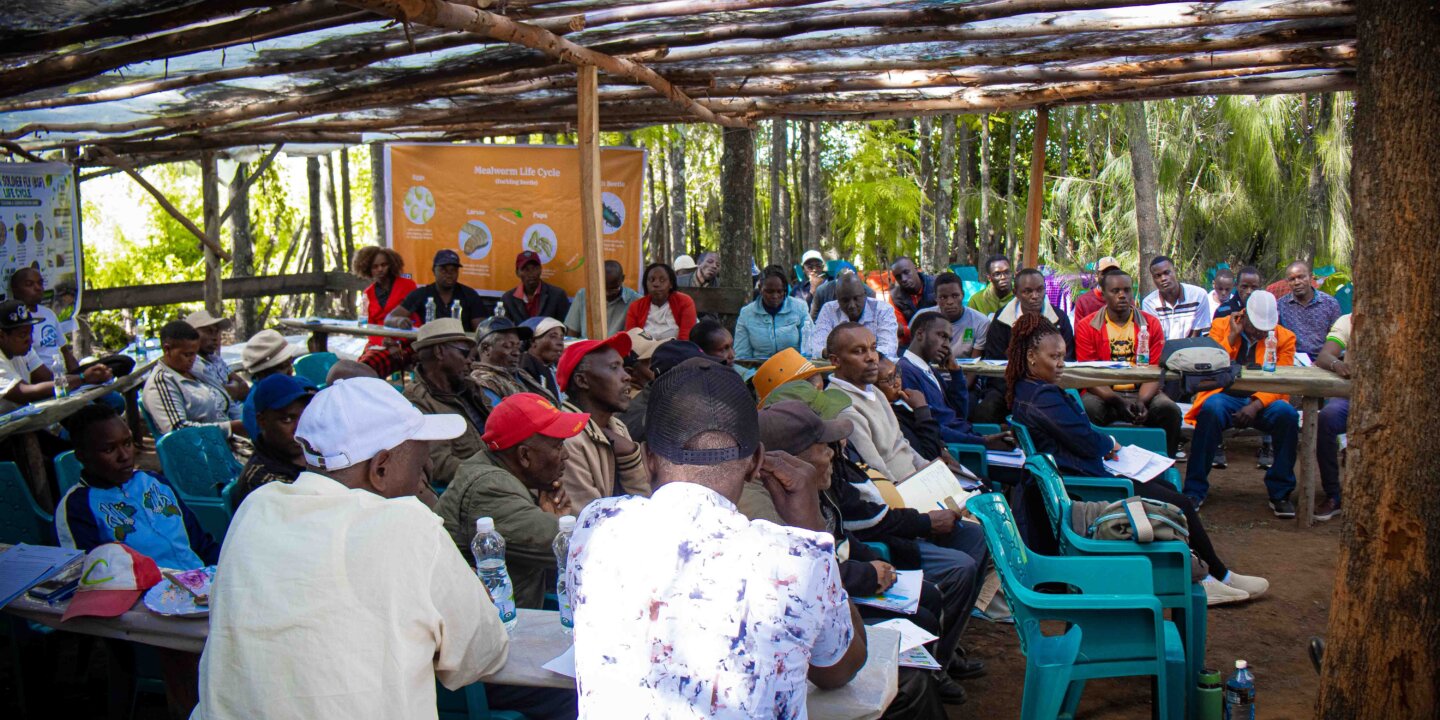
Theoretical learning on BSF farming and benefits
The Nawiri Organics Agroecology Centre of Excellence in Sinendet, Njoro, Nakuru County, became the meeting point for something bigger than a single training day. Farmers, youth agripreneurs, county livestock officers, and agroecology practitioners gathered for a BSF Farmer Recruitment Drive and Training, a joint initiative by the Association of Insect Farmers & Its Products (AIFIP) and Nawiri Organics, made possible through AIFIP's partnership with the Netherlands Food Partnership under the INS-Feast program. The goal was twofold: to welcome new members into AIFIP's growing network and equip farmers with practical, hands-on knowledge of Black Soldier Fly (BSF) farming a technology that turns organic waste into protein and fertilizer and turns smallholder farms into circular, more resilient enterprises.
A turnout that spoke for itself
Sixty-seven participants showed up: smallholder BSF, livestock and poultry farmers from Njoro, Subukia, Kuresoi South, Bahati and Gilgil; youth interested in insect farming as a livelihood; Ward Livestock Officers from Lare, Mauche and Mau-Narok; and agroecology practitioners exploring circular systems. That mix, on its own, said something about how far interest in BSF farming has travelled beyond early adopters and into mainstream agricultural conversation in the region.
From theory to the farm floor
The day moved through theoretical sessions covering the BSF lifecycle, substrate selection and organic waste management, production system design, and the fortification of BSF frass into organic fertilizer alongside a clear-eyed look at the economics of BSF farming.
Then it went hands-on. Participants toured the Nawiri Organics farm to see live BSF production units and colony management up close, watch organic waste being converted into larvae protein in real time, and observe how frass and Bokashi technology come together to produce fertilizer within a fully circular farm system.
Woven through the day was a deliberate push to connect farmers to AIFIP itself: participants were walked through the Association's mandate and the practical benefits of membership networking, market access, technical support and guided through the registration process. Interest, by all accounts, was high.
The conversation that stayed with people
If one moment defined the day, it was the round table discussion. Experienced BSF farmers shared their own journeys, the business models that worked, the lessons that came the hard way, while participants pressed AIFIP representatives on the questions that matter most in practice: access to quality substrate, market pricing for BSF products, and where the technical knowledge gaps still are. It was less a session and more an open exchange, and it did what training slides alone rarely manage: it made the theory feel real.
Among those at the round table was Stephen Hinga, a visually impaired BSF farmer whose active participation reframed the conversation for everyone in the room. His presence was a quiet but powerful reminder that BSF farming can be adapted across physical abilities, and that inclusive livelihood opportunities in the insect farming value chain aren't a future goal, they're already happening. It's a thread AIFIP and Nawiri Organics both flagged as worth building on with more intentional, targeted support going forward.
What comes next
The day closed with clear outcomes: 67 farmers trained, strong and active interest in AIFIP membership, and - as the post-event report put it - strengthened collaboration between Nawiri Organics, AIFIP and the local farming community. Participants said as much themselves, citing the round table as the highlight, and voicing real appetite for continued learning and mentorship.
None of these ends with the training. Nawiri Organics has committed to following up individually with participants to gauge their readiness to adopt BSF farming, supporting interested farmers through AIFIP registration, and continuing technical guidance on everything from unit setup to harvesting and value addition. Mentorship and hands-on support will carry farmers from "trained" to "producing." And a monitoring framework will track adoption and membership uptake over time, so the impact of the day doesn't fade once everyone has gone home.
A partnership doing what it's meant to do
For the Netherlands Food Partnership and the INS-Feast program days like this are the point not a single training session, but a demonstrable, replicable model for growing an insect-farming sector that is inclusive, technically sound, and rooted in circular agriculture. Nakuru's turnout, engagement and follow-through suggest this model has real legs. The next test will be turning that Friday's energy into farmers who are producing, selling, and mentoring the next cohort themselves.
.
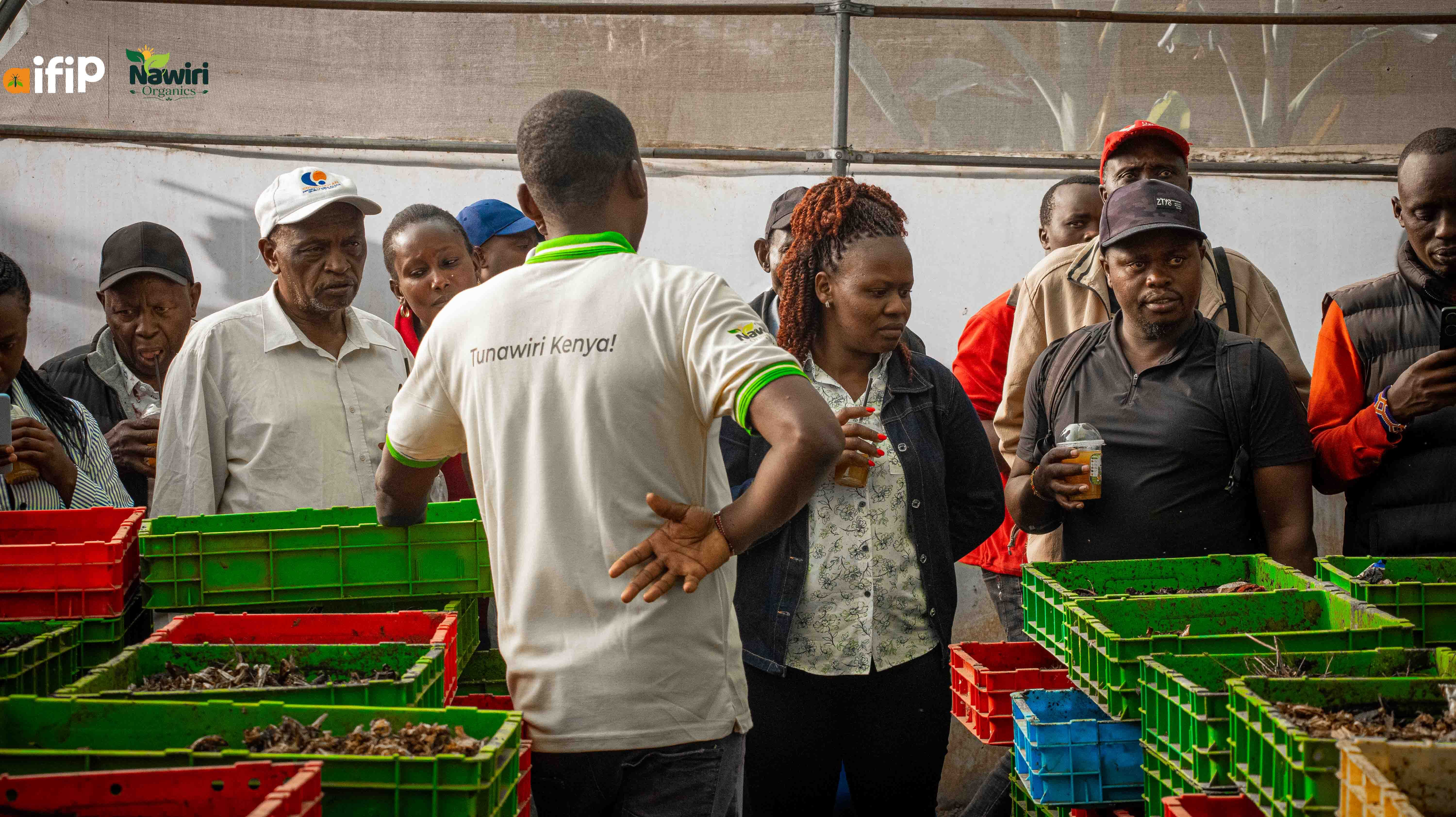
Participants toured the Nawiri Organics farm to see live BSF production units and colony management up close.
Authors

Ibrahim Palaz
Partnership Builder

Laura Martinussen
Associate Consultant, Fair and Sustainable

Kimotho Evelyn Kendi
Innovation advocate/Policy strategist