Food security, climate resilience and sustainable food systems are challenges no country or institution can solve alone. They require trusted partnerships, long-term scientific collaboration and the ability to connect deep expertise with urgent global needs. In the next story of this blog series, we turn to fragile and conflict-affected food systems in the Horn of Africa, where researchers are asking what it takes to support resilience in places shaped by war, displacement, climate shocks and disrupted markets.
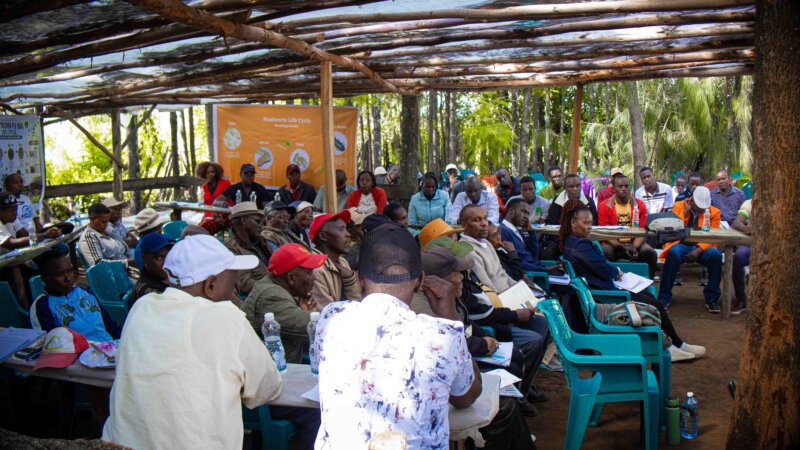
The article follows the collaboration between Gerrit-Jan van Uffelen, Senior Advisor Food Systems Resilience & Protracted Crises at Wageningen Social & Economic Research, and Sandra Ruckstuhl, who leads the International Water Management Institute’s research group on Fragility, Conflict, Livelihoods and Water. Through the NWO-funded Senior Expert Programme in the NL-CGIAR research programme, their work brings together expertise on food systems resilience, water security and conflict, with a particular focus on Sudan and South Sudan.
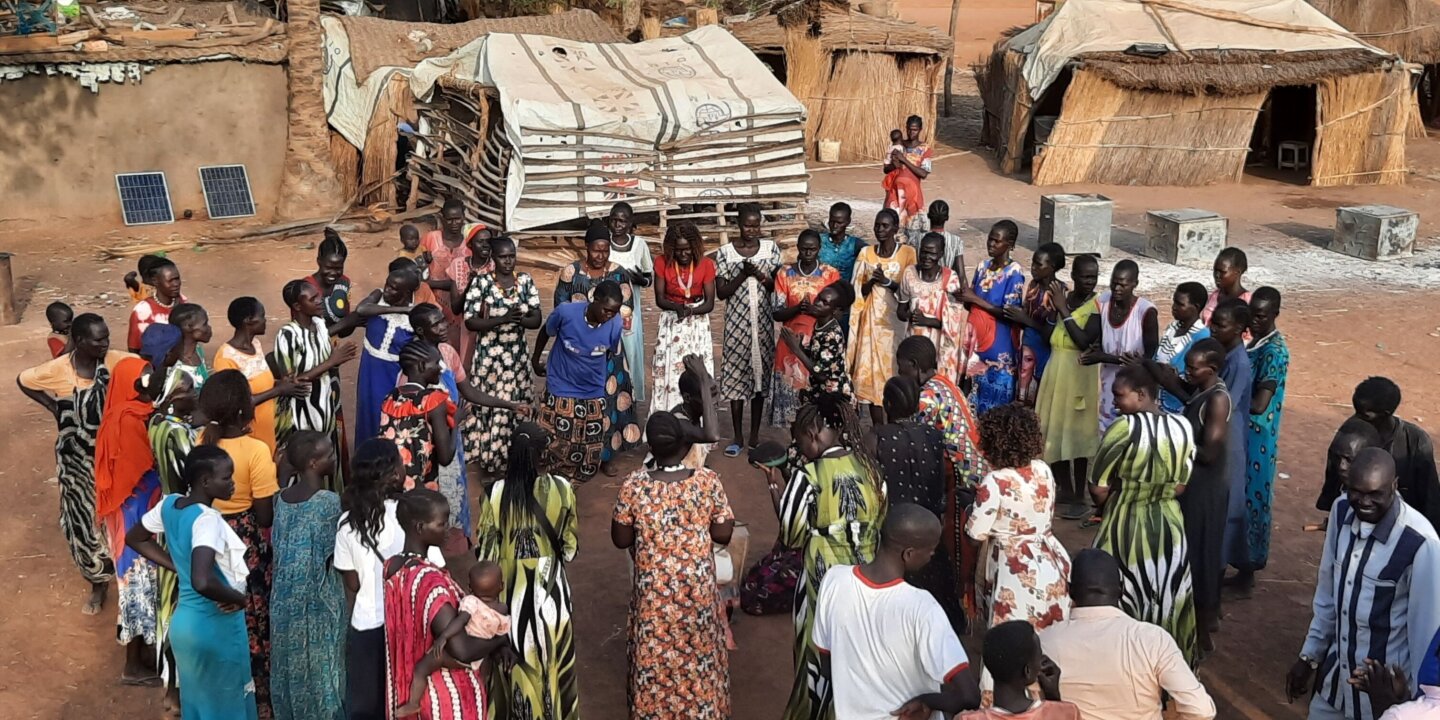
At the heart of the story is a different way of looking at crisis. Humanitarian assistance remains essential and life-saving, but Gerrit-Jan and Sandra show why it is not enough to see people affected by conflict only as vulnerable recipients of aid. Even in times of displacement and uncertainty, local food systems continue to function through the knowledge, relationships and institutions that communities maintain themselves.
Their collaboration highlights why interventions in fragile settings must start from what already exists locally. Designed without understanding local networks, social relationships and community priorities, well-intentioned support can unintentionally weaken the very mechanisms that keep people fed when formal systems fail. Designed with humility and sustained partnership, it can help strengthen what communities are already doing to survive and recover.
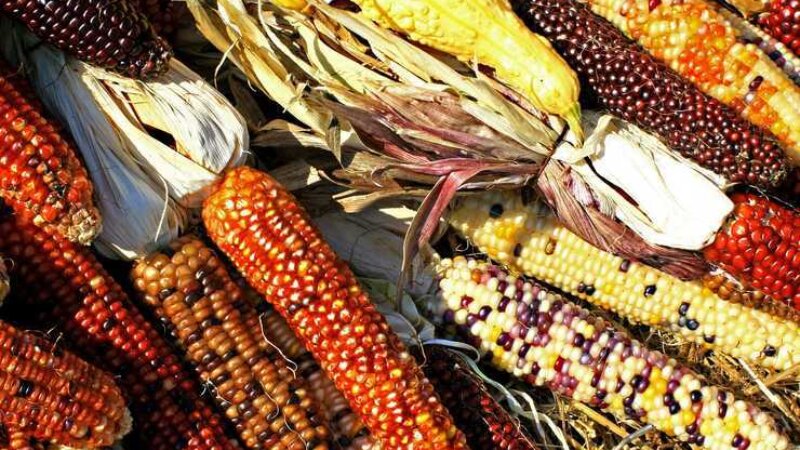
From seed systems and early warning information to longer-term strategies for protracted food crises, this story illustrates what the Senior Expert Programme is designed to do: connect Dutch expertise with CGIAR’s locally embedded research, strengthen international collaboration and help ensure that science leads to real-world impact.
We would like to thank journalist Jasmijn Snoijink for capturing this story with depth and care, and Sandra Ruckstuhl and Gerrit-Jan van Uffelen for generously sharing their time, expertise and reflections in the interview. We also gratefully acknowledge the collaborative efforts of CGIAR and NWO, whose partnership and commitment have helped make this series possible. We are also thankful for the additional support of Nienke Beintema (WUR), Timmo Gaasbeek (BZ), and Vera Musch (LVVN) in the process.
Interested in learning more about the NWO Research Programme?
The Netherlands (NL) - CGIAR research programme contributes to transformational change in agriculture around the world by advancing food system knowledge and joint public and private innovation. The programme is part of the strategic partnership between the Government of the Netherlands and CGIAR. A first Phase ran from 2017-2023, Phase II runs from 2024-2030. The NWO-funded Senior Expert Programme is one of its instruments.
Authors

Marjan Riepma
Partnership Builder

Mariëlle Karssenberg
Partnership Builder - Netherlands Food Partnership