What does it take to create a student innovation challenge that works across countries, universities and very different local food systems?
Over the past three years, the Food Systems Innovation Challenge has given us plenty of opportunities to find out.
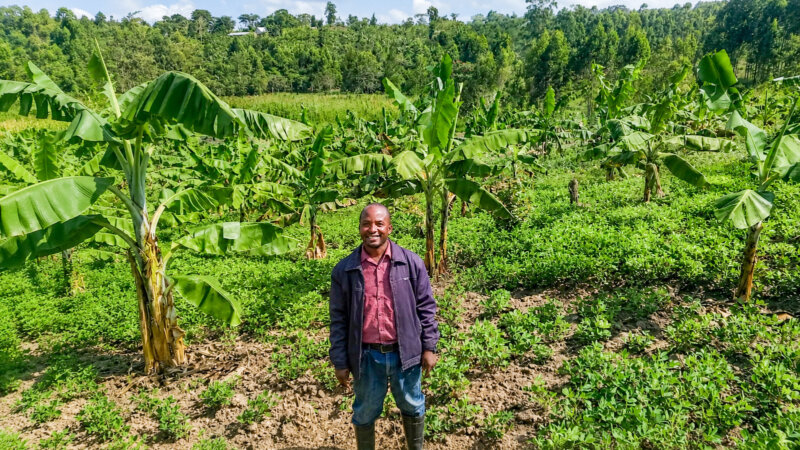
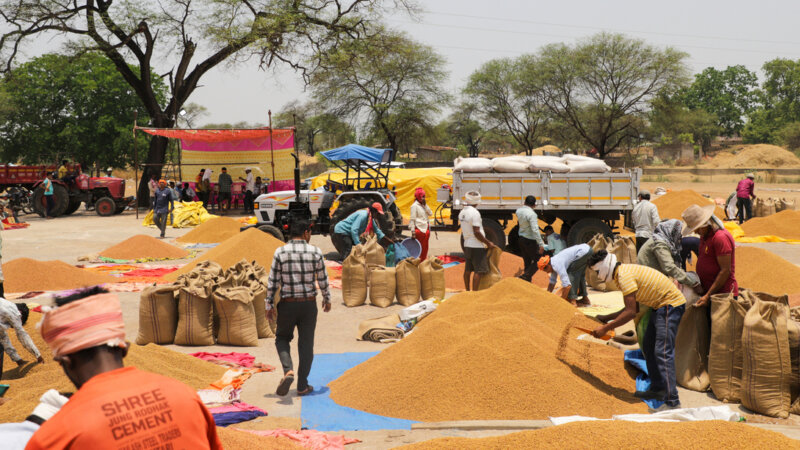
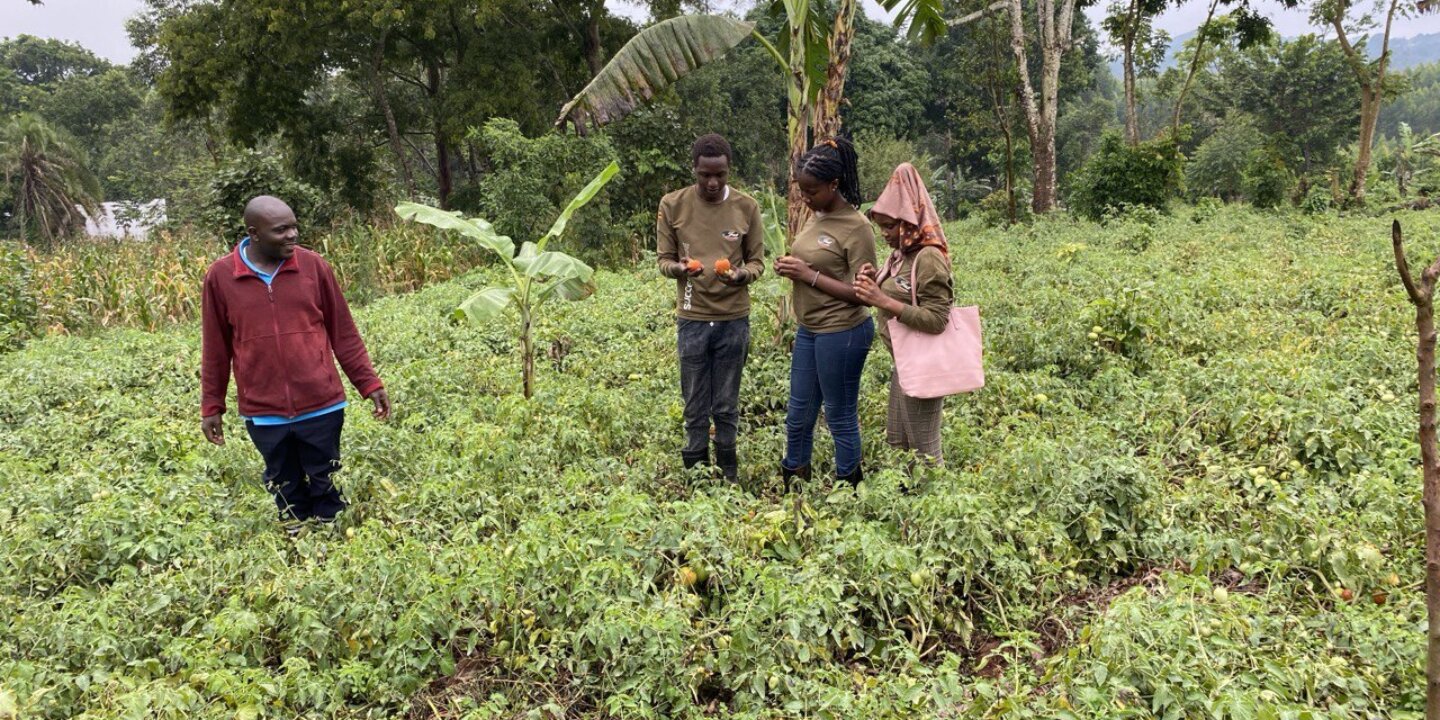
Together with universities around the world, we have seen students work on challenges rooted in their own communities: from making better use of underused crops and agricultural waste to improving soil health, food storage and local value chains. The solutions were different everywhere, and that was exactly the point.
But behind those student innovations was another learning process. Each university had to find its own way of organising the Challenge, engaging local partners, supporting teams and adapting the programme to its context. Some approaches worked immediately. Others evolved along the way.
We realised that these experiences could be useful far beyond our own Challenge.
Together with Wageningen University & Research, we therefore created the Food Systems Innovation Playbook, bringing together the experiences, outcomes and lessons from three years of the Challenge.
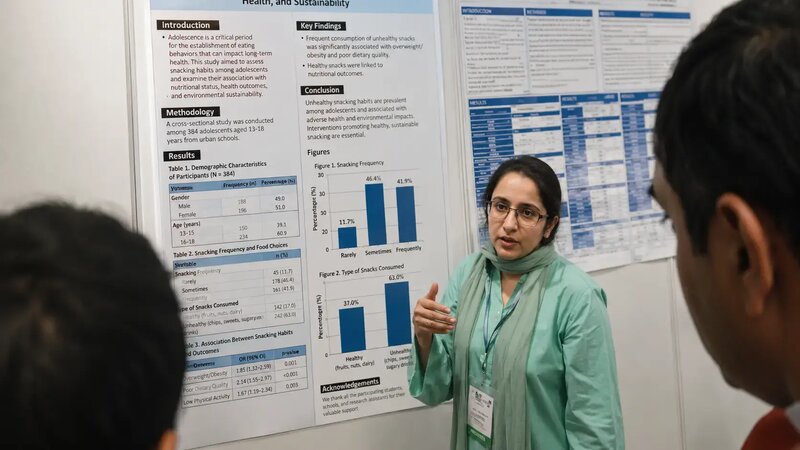
Rather than offering one fixed formula, the Playbook brings together lessons from the people who experienced the Challenge first-hand. Students share what helped them turn an initial idea into something grounded in reality. University coordinators reflect on what it takes to run the programme locally. Partners and organisers share what they learned about building collaborations, designing the programme and creating opportunities for ideas to continue after the final pitch.
One lesson comes through particularly strongly: there is no single way to run a successful innovation challenge. What works in Bangladesh may look very different in Ethiopia, Nepal, Suriname or the Netherlands. Local ownership, flexibility and strong relationships matter just as much as the structure of the programme itself.
The Playbook brings these experiences together with practical guidance and real examples, offering insights for anyone interested in student-led innovation, supporting initiatives like this, or adapting the approach to their own university, network or local context.
After three years of learning alongside our partners and students, we wanted those lessons to be useful to whoever comes next.
Curious what we learned? Explore the Food Systems Innovation Challenge Playbook for the stories, experiences and lessons behind the Challenge.
Author

Bente Meindertsma
Partnership Builder