Nakuru Momentum: Multi-Stakeholder Commitments Set 100-Day Action Plan in Motion
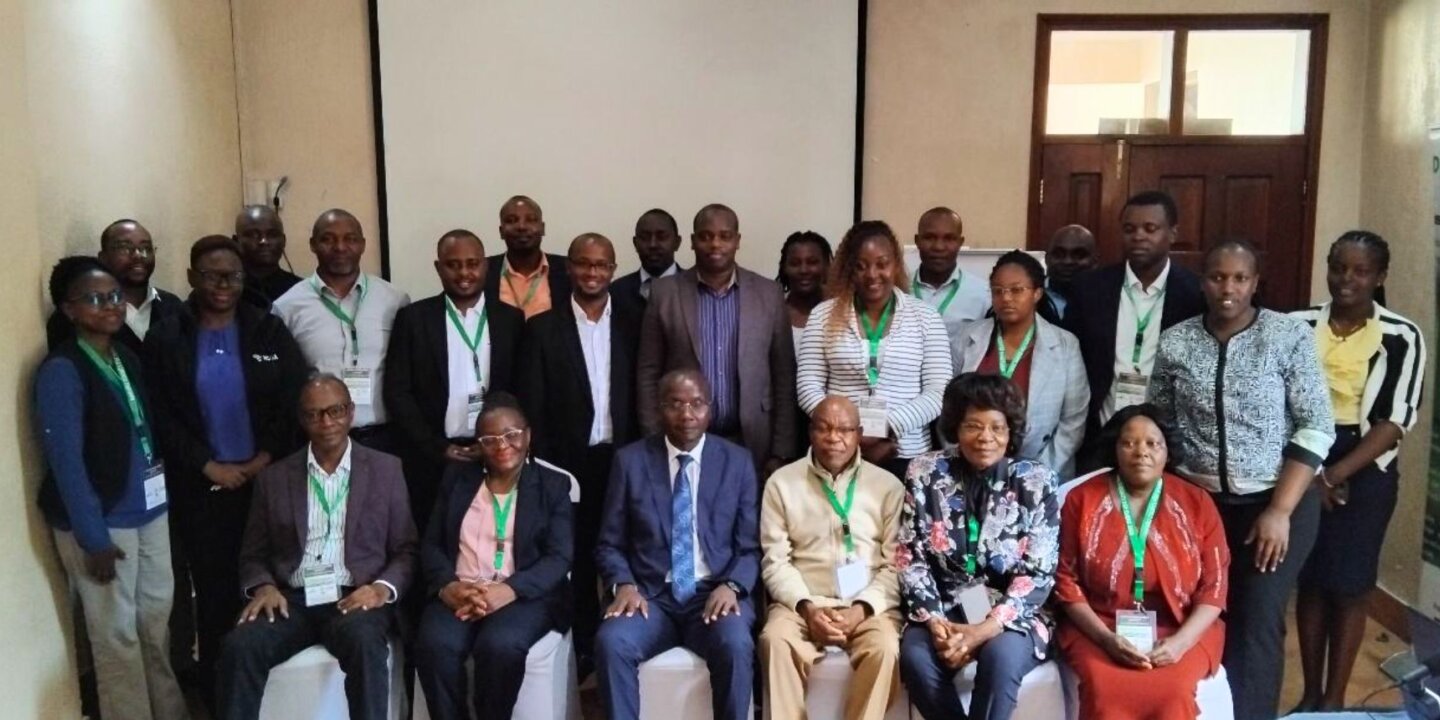
June 2026 – Financial Institutions, Government, and Private Sector Pledge Concrete Action on Food Systems Finance
The Nakuru County Food Systems Finance Learning Event concluded with something remarkable: not just shared vision, but signed commitments. Over two days, diverse stakeholders, from banks to impact investors, government ministries to farmer cooperatives, moved beyond dialogue to action.
The catalyst was the adoption of a 100-Day Rapid Results Approach (RRA), a practical framework translating ambitious food systems transformation goals into measurable outcomes within a defined timeframe.
The Commitments: From Rhetoric to Reality
Financial Institutions Redesign Products
- NCBA committed to reviewing and redesigning financial products to ensure they are relevant, accessible, and impactful for smallholder farmers
- Co-operative Bank of Kenya pledged to strengthen engagement with cooperatives through practical, context-driven solutions
- Equity Group highlighted its role in incubating farm enterprises, committing to enhanced business-to-business linkages and performance monitoring
Government Steps Up
The County Government of Nakuru (CGN) committed to optimizing devolution structures to enhance coordination and accelerate policy framework implementation—ensuring communities are empowered to become self-reliant contributors to development.
Development Partners and Implementers
- Egerton University Living Lab will formalize the Kabazi Model for replication across counties
- State Department for Livestock Development (SDLD) committed to leveraging international partnerships and exploring global best practices to inform the Kabazi Innovation and Resource Centre
- World Resources Institute (WRI) pledged access to resources, small grants, and technical assistance, particularly for Payments for Ecosystem Services
- NFP, RAI, Foresight4Food, and DanChurchAid committed to strengthening partnerships and providing technical support
Private Sector Mobilization
SMEs and off-takers, including Moto Feeds, Big Thunder Macademia, East Africa Growers (EAG), and Farmlife, emphasized their continued role in supporting farmers through contract farming arrangements, enhancing market access and income predictability.
Impact Investors Chart New Course
Root Capital indicated its intention to support the development of strong cooperatives and facilitate communities of practice among off-takers, aiming to increase farmers' bargaining power in key value chains (coffee, macadamia, avocado oil).
Financial Inclusion Innovation
Moto Hope Capital committed to working with development partners as guarantors, enabling cash advances to farmers and addressing liquidity constraints.
Why the RRA Matters
The 100-Day Rapid Results Approach is not window dressing. It transforms aspirations into accountability. Instead of annual reports and vague targets, stakeholders now have:
- Defined outcomes for each commitment
- Clear timelines (100 days = approximately June –September 2026)
- Identified leads and partners responsible for delivery
- Tracking mechanisms to monitor progress
"This is what shifts momentum from events to movement," explains Samuel Kariuki, NFP's Lead CoP Food Systems Finance Kenya. "Everyone leaves with a commitment, ownership, and a date to report back."
September Check-In: Testing Co-Ownership
Here's what makes this truly newsworthy: NFP is organizing a follow-up event in Q3 to assess progress on the 100-day commitments and co-own the agenda with partners.
This isn't a compliance audit. It's a learning moment—a chance to:
- Identify what's working and needs acceleration
- Surface barriers before they derail implementation
- Celebrate early wins and build momentum
- Adjust tactics based on real-world feedback
- Deepen partnerships through transparent accountability
"September's event will be the real test," notes Samuel. "We'll see who's translating words into action. More importantly, we'll solve problems together rather than in isolation."
The Kabazi Model as Living Laboratory
What distinguishes Nakuru's approach is treating the Kabazi Model not as a fixed blueprint but as a living laboratory. The 100-day period allows for:
- Testing farmer willingness to adopt integrated approaches
- Piloting financial product innovations
- Documenting lessons learned
- Refining implementation strategies before scaling
By September, participants will have concrete evidence: Did cooperative membership grow? Did farmers access finance on improved terms? Did financial institutions pilot new products? Are policy adaptations taking root?
A Shift in Power Dynamics
Perhaps most significant: the RRA redistributes power. Instead of NFP (or any single convenor) driving the agenda, every organization now owns a piece of the transformation puzzle. Government can't defer to donors. Banks can't blame regulations. Farmers' representatives have a seat at the accountability table.
"Ownership is what lasts," Samuel emphasizes. "The Nakuru event created that."
Looking Ahead
The 100 days represent a critical proving ground. Success will not be measured in attendance numbers or policy briefs. It will be measured in:
- Financial products redesigned
- Farmers accessing credit on improved terms
- Government policy clarified
- Farmer organization strengthened
- Private sector investment catalyzed
When partners reconvene in September, they won't just report progress. They'll demonstrate it: with data, stories, and evidence that food systems finance is no longer an aspiration but an emerging reality in Nakuru County.
"This is the beginning," says Samuel. "The real work starts now."
Author

Huiberdien Sweeris
Policy Advisor @NFP