Better Together: Bringing biodiversity into the spotlight at World Food Day 2026
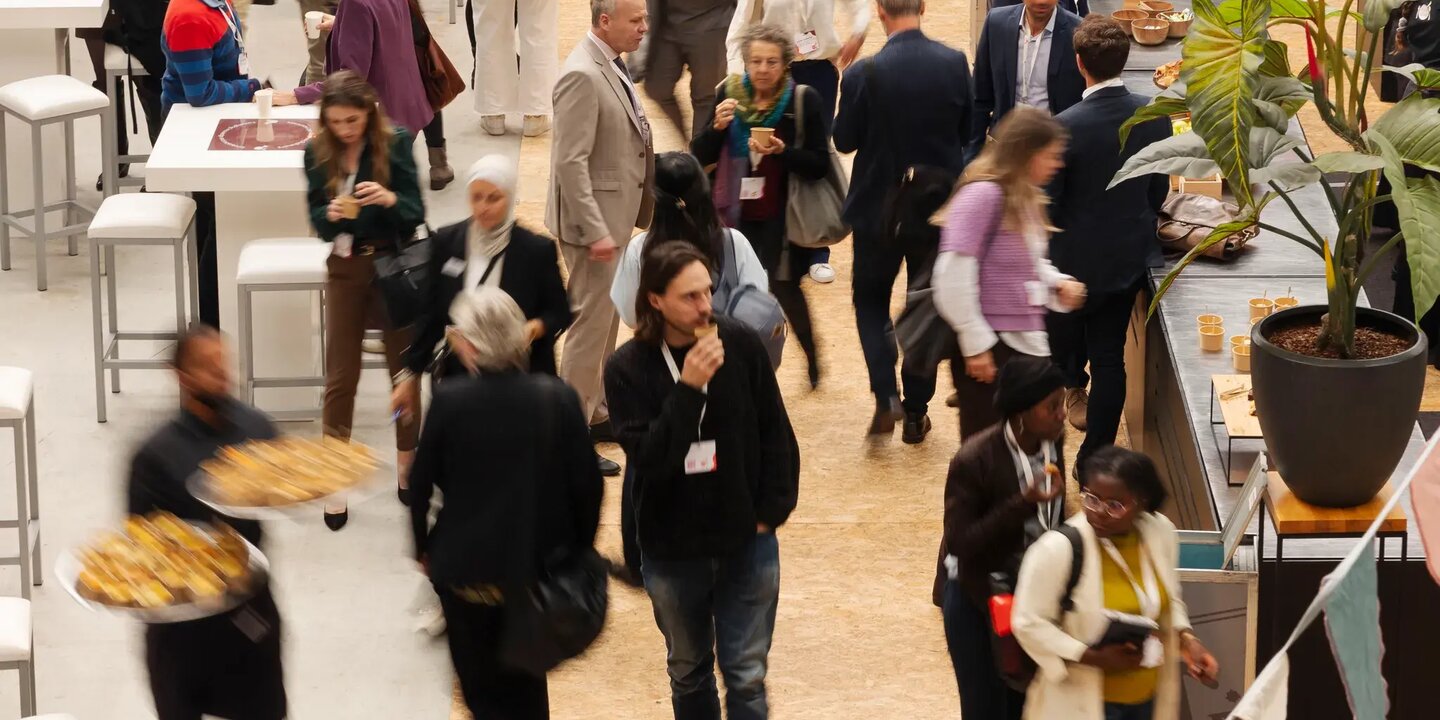
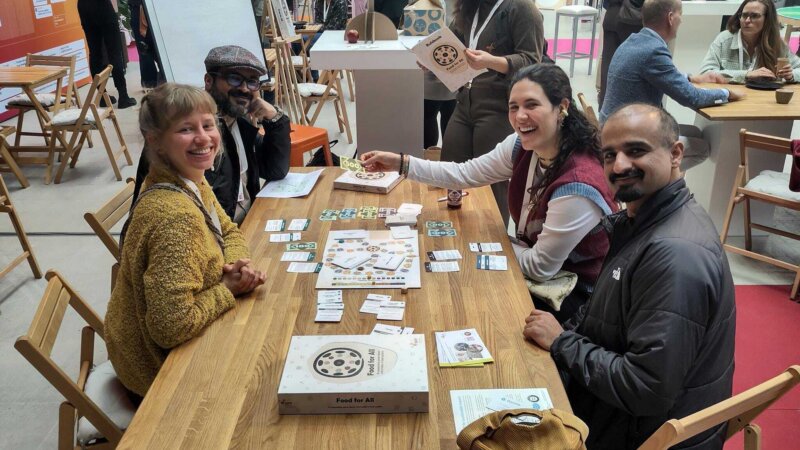
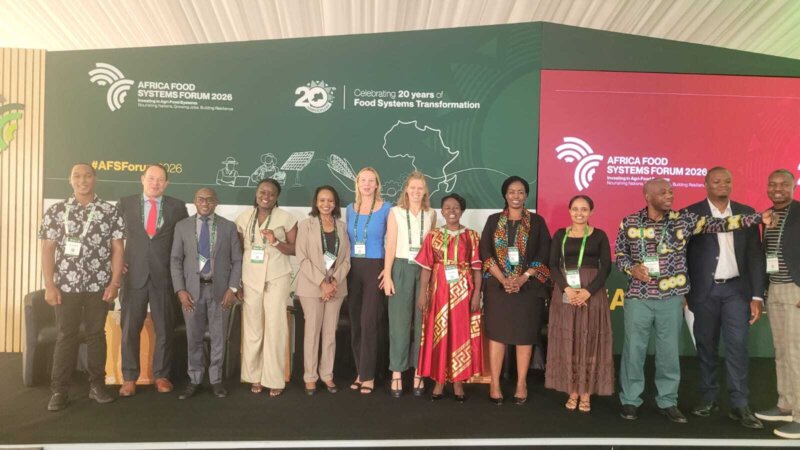
What happens when community members come together to put biodiversity at the heart of food systems? This year, the Biodiversity & Food Systems Community of Practice joined forces to put biodiversity in the spotlight at NFP World Food Day 2026. Building on this year's theme, Partnerships that Feed the Future, community members came together to showcase how collaboration across sectors and scales can help bring biodiversity and food systems closer together, turning shared ambitions into collective action. Throughout the day, the community contributed to a plenary session, hosted an interactive side session and welcomed participants at a booth, creating different opportunities to connect, exchange experiences and explore how partnerships can drive change.
Better Together: Biodiversity & Food - Partners in the spotlight!
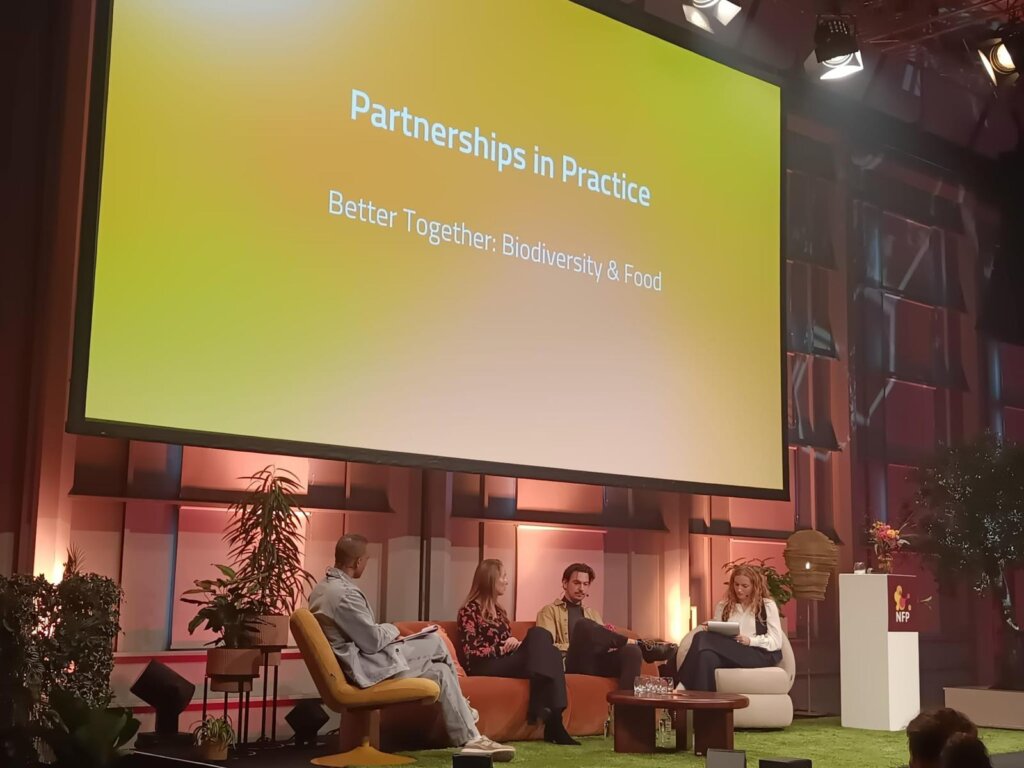
The day kicked off with biodiversity taking centre stage in front of more than 600 participants. The community challenged a common perception: rather than seeing biodiversity mainly as an environmental issue that food systems actors also need to address, what if we recognised biodiversity as the living foundation of our food systems?
From this perspective, biodiversity is not only something we need to protect, but also a partner in building more resilient, productive and sustainable food systems. Yet recognising its importance is only the beginning. Turning this understanding into action requires partnerships that connect actors across investment, business, policy, research and practice.
Community members took the spotlight to show what this could look like in practice.
Seline Meijer, Senior Advisor Food & Agriculture at WWF Netherlands, reflected on how WWF has shifted its approach from focusing primarily on biodiversity conservation to integrating food systems into its agenda, highlighting the role of partnerships across sectors and scales in driving this change forward.
Robert Ogwang Rapsy, from the Rural Agroecological Network, shared how working in partnership has been instrumental in scaling up efforts to integrate biodiversity and food systems, particularly through their work with local communities and schools in Uganda.
Julian Kunzstch from Habiba Community brought a private sector perspective, highlighting the importance of connecting with different partners to unlock new opportunities and accelerate change towards more biodiversity-positive food systems from the Sinai Desert in Egypt.
With these reflections, participants were invited to rethink the challenges they are trying to address and consider what could become possible when biodiversity becomes part of the solution. The message closed with a call to action: “Look again at the problem you're trying to solve and ask yourself: What becomes possible when biodiversity becomes part of the solution? And who do you need beside you to make it happen?”
Common Ground, Collective Action: From shared messages to practice
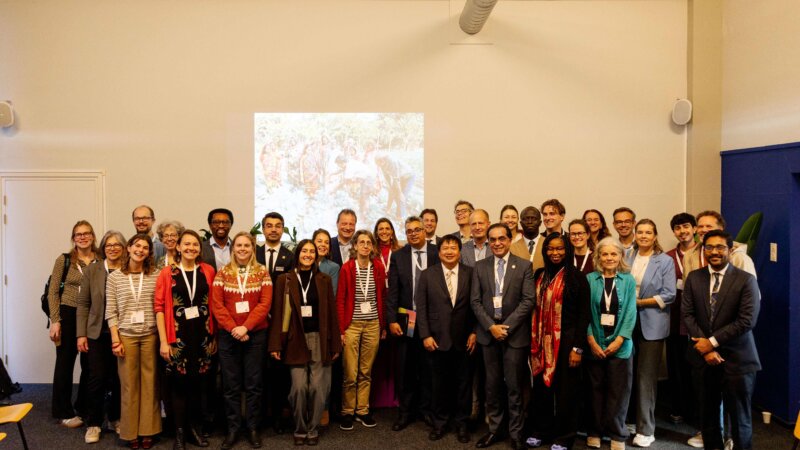
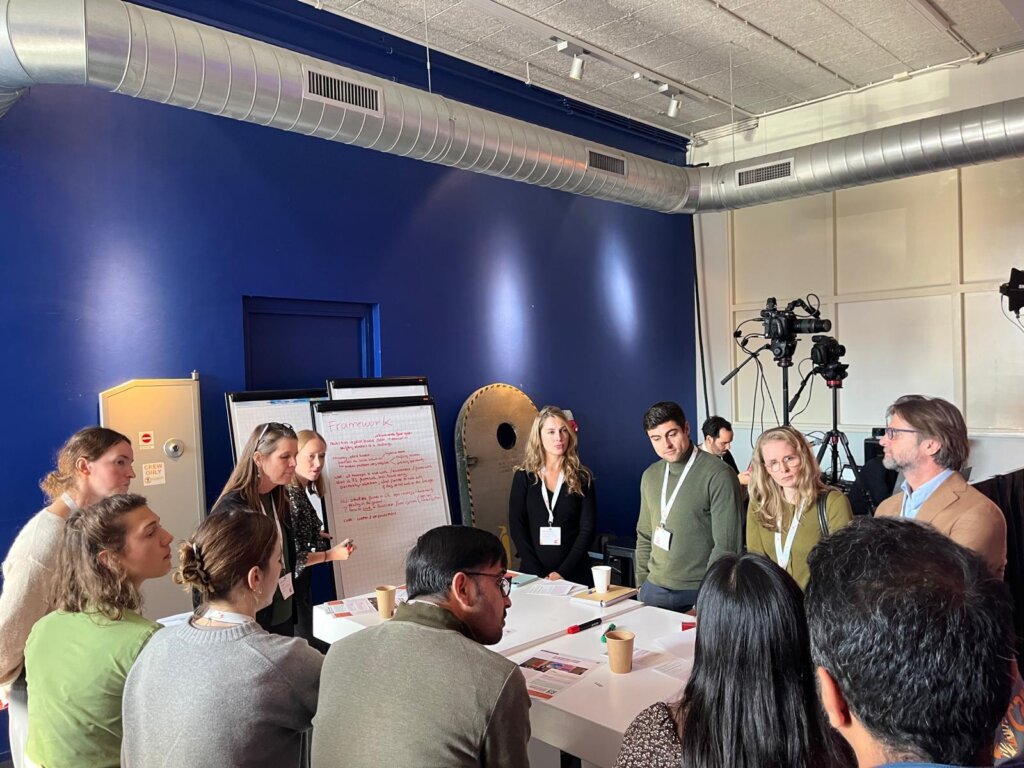
The conversation continued in an interactive side event, where participants explored how shared understanding can become a starting point for collective action.
The session opened with a video message from Famke Gerritsen and Natasja Hölscher, Dutch youth representatives for biodiversity and food calling in from COP17 UNCBD in Yerevan, Armenia. Their message invited participants to reflect on a timely question: What common messages could help bring biodiversity and food systems together and contribute to the conversations taking place at the COP?
This provided a starting point to talk about the three Shared Messages, co-created and launched by community members earlier this year with the aim to build common ground across different sectors and perspectives.
Bringing together participants from the private sector, NGOs, civil society and research institutions, the session explored how these messages could be used in practice as tools for engagement, advocacy and as a framework to guide action.
Inspired by stories of progress from community members, and with the facilitation of Harko Koster (SNV), Julian Kuntzsch (Habiba Community), Eline Vermeer (WWF), Marieke Sassen (WUR) and Mariëlle Karssenberg (NFP), participants exchanged experiences and explored opportunities to use the Shared Messages in their own work and networks.
These conversations opened space to learn from different perspectives and identify where collaboration with other stakeholders could help move ideas forward.
Three key insights emerged from the discussions:
Engagement: Clear, relatable messages and compelling stories can help build common ground, connect diverse stakeholders and inspire collective action.
Advocacy: Targeted messages that connect biodiversity to broader priorities, amplify farmers' perspectives and influence mindsets can help strengthen policy discussions.
Framework: The Shared Messages can help guide more integrated strategies, partnerships and programmes, translating shared ambitions into practical action.
Across the three discussions, one common reflection emerged: shared understanding is an important starting point, but the real opportunity lies in turning it into action. Whether by engaging new stakeholders, influencing decisions or guiding more integrated approaches, the Shared Messages offer different ways to bring biodiversity into food systems work.
Participants left with new perspectives, practical ideas and connections to explore how they could put the Shared Messages into practice, individually and together.
Community booth: A space to connect, exchange and get inspired
Beyond the plenary and side event, the community was present throughout the day at a booth, co-hosted by community members from WWF, ZOA, Habiba Community and Dorcas.
The booth offered a space for participants to get to know the broader work of the Biodiversity & Food Systems Partnership, from the Shared Messages and their stories of progress to the first insights from the Youth Incubator process currently taking place in Kenya and the Use Case Bundle.
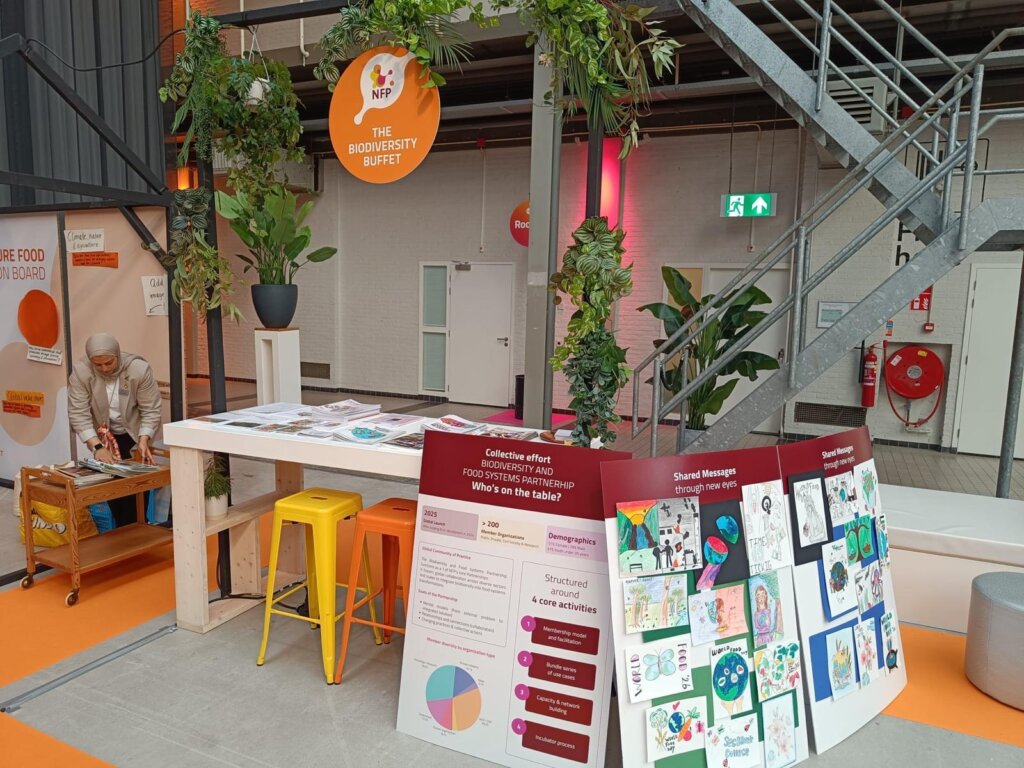
More than showcasing ongoing activities, it became a meeting point for conversations between people already integrating biodiversity into their work in different ways, and those curious to explore where to start.
Through these exchanges, community members and participants shared experiences, made new connections and showed how biodiversity can be relevant across different sectors, organisations and initiatives.
The Shared Messages through new eyes
What happens when we look at the Shared Messages through the eyes of a younger generation?
The Shared Messages Through New Eyes was an illustration exhibition created by students aged 14–15 from Segbroek College. Through their drawings, the students brought fresh perspectives to the Shared Messages, showing how young people interpret the connections between biodiversity and food systems.
Beyond showcasing their illustrations, the students also joined us at the booth, sharing their ideas and engaging in conversations with attendees. A great reminder of the value of bringing different generations and perspectives into the conversation!
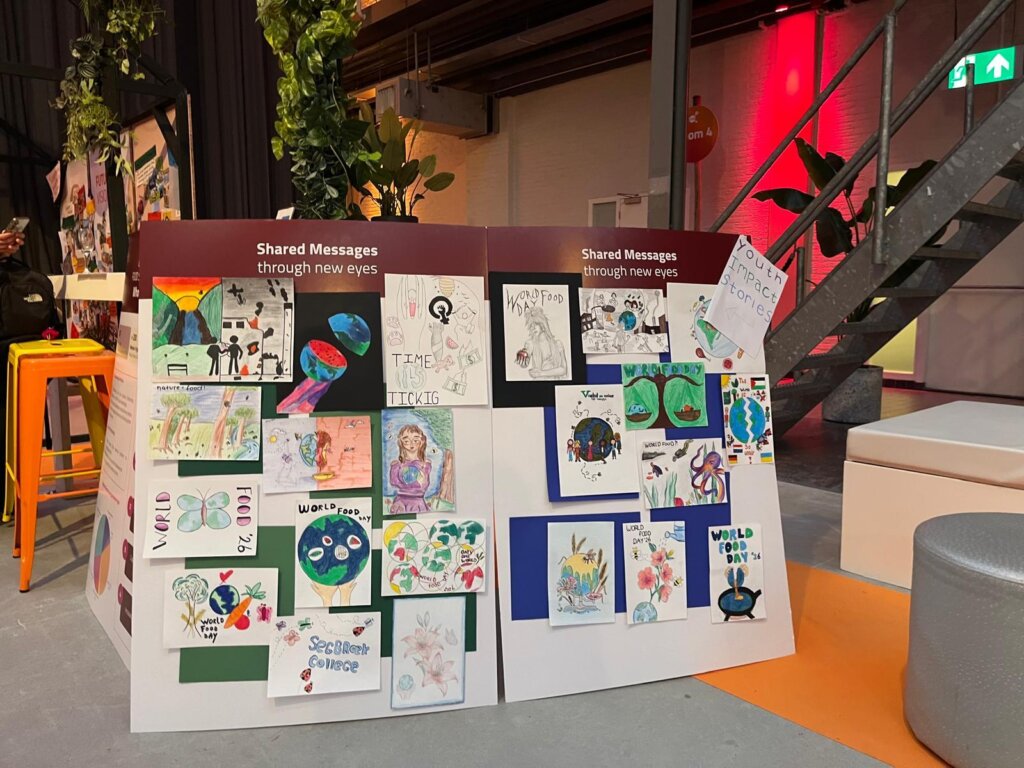
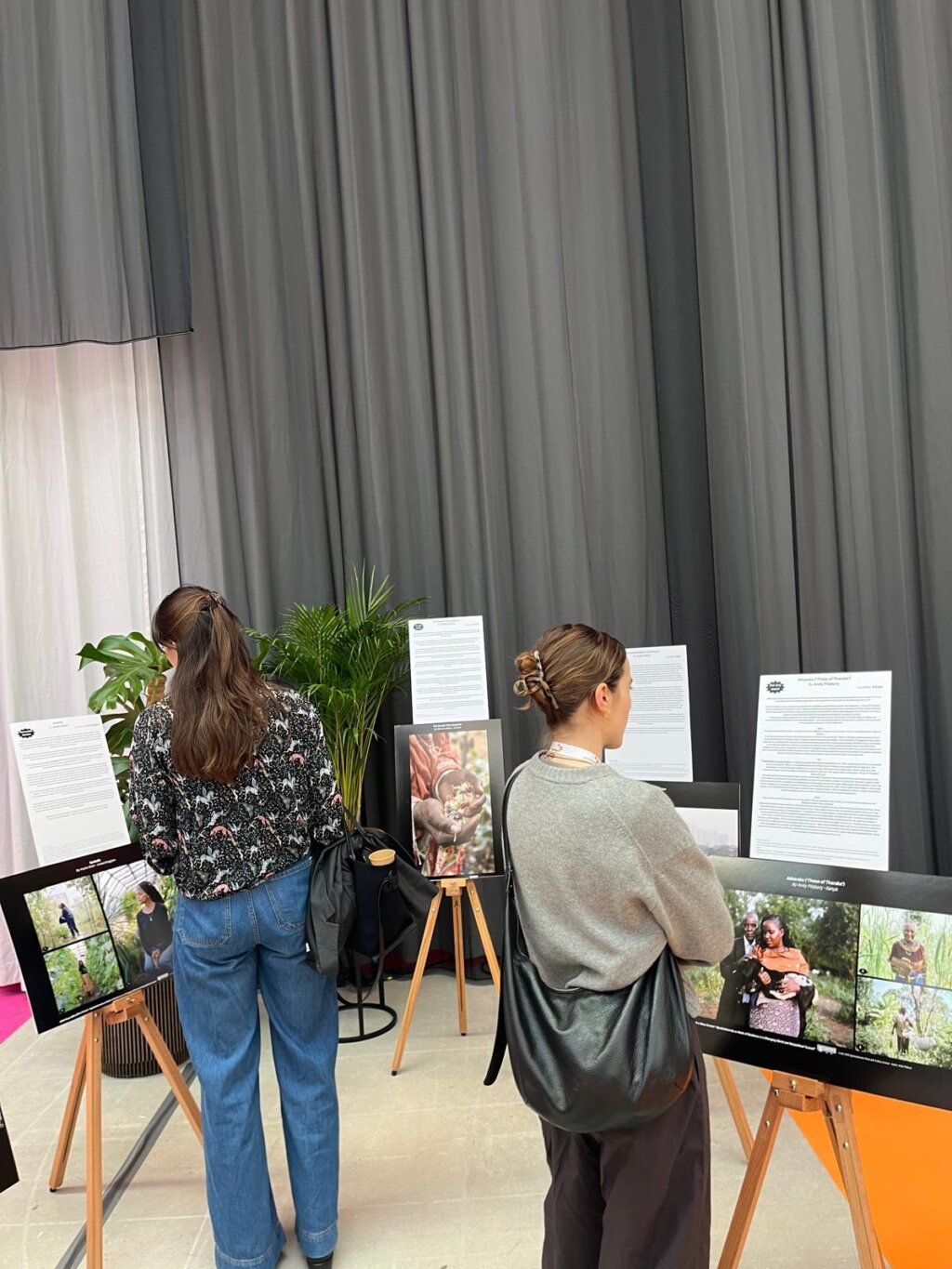
Photo exhibition: Agrobiodiversity as Roots of Resilience
An initiative led by glocolearning and the agrobiodiversity index team from the Alliance Bioversity International-CIAT, in partnership with the NFP and other organisations. The contest collected photos and storiesfrom More Than 30 Countries, bringing agrobiodiversity to life through the eyes of the farmers who cultivate it, communities who depend on it, practitioners who work with it, and cultures that celebrate it! The photo exhibition showcased the three winners selected by the jury and the winners selected by public voting.The exhibition started traveling across different spaces, starting in the World Food Forum in Rome, then here, and also to COP17 in Yerevan, Armenia. In case you missed it, you can still explore the photo exhibition online here
World Food Day 2026 was a great opportunity to put biodiversity in the spotlight, while bringing the people and partnerships driving change to the centre. The day showed how community members are already connecting biodiversity and food systems in different ways and are eager to collectively drive this momentum forward
And a reminder that bringing biodiversity into the future of food is something we can do better together!
Authors

Hector Lopez Mariaca
Partnership Builder, Netherlands Food Partnership

Mariëlle Karssenberg
Partnership Builder - Netherlands Food Partnership