From innovation to scale: building an ecosystem that works for young agripreneurs
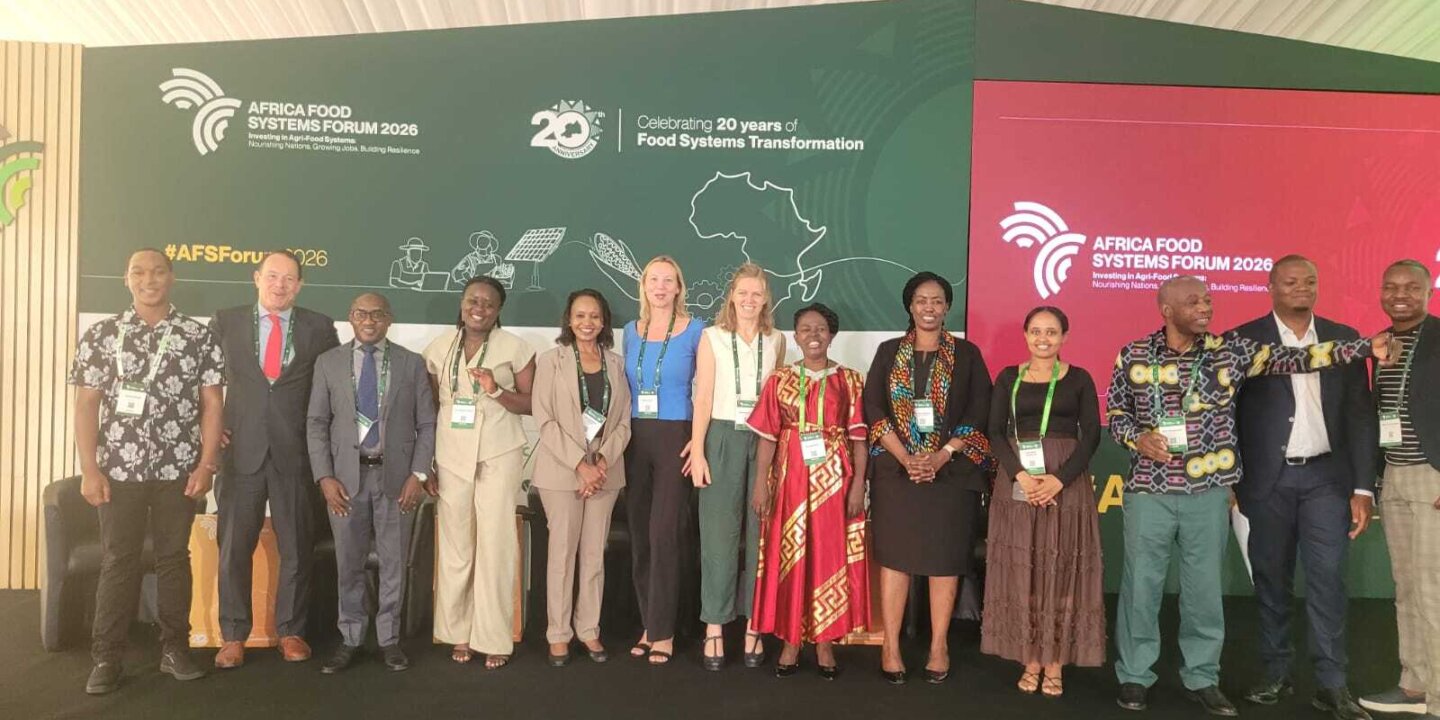
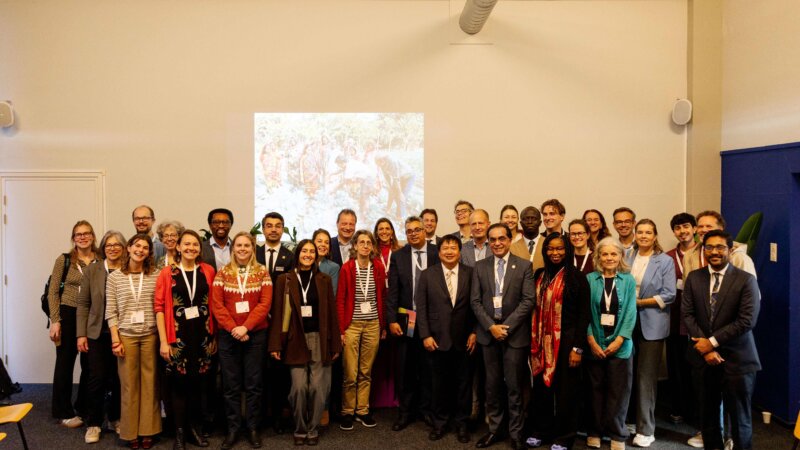
Young entrepreneurs are bringing ideas, energy and innovation to Africa’s food systems. Yet too many promising enterprises lose momentum between incubation and scale. At the Africa Food Systems Forum 2026 in Kigali, young entrepreneurs, universities, governments, private-sector actors and development organisations came together to ask a critical question: how can we build an ecosystem that helps youth-led agribusinesses not only start, but grow and thrive?
The session, organised by SNV, FAO Youth Food Forum, AGRA, Wageningen University and Research and NFP on Scaling the Youth Enterprises Ecosystem provided a clear answer: innovation challenges can identify talent, but ecosystems are needed to scale it.
‘Incubation can give us a spark but the ecosystem determines how we scale’, stated young entrepreneur Eline Uwizera. Also other participants highlighted that training and finance alone are not enough. Young entrepreneurs need sustained mentorship, access to markets, equipment, networks and financing mechanisms that reflect the realities of early-stage businesses.
Several practical examples showed what this can look like. Caesar Vulley, the Africa Regional Youth Specialist at FAO stressed the importance of involving buyers and off-takers from the start of incubation programmes. Arguing that a "half-baked idea generating revenue is much better than a fully designed innovation that is not making money," This helps entrepreneurs build businesses around real market demand rather than perfecting ideas without a route to market. Mr. Elijah Mwashayenyi- Head of Africa, East West Seed Knowledge Transfer shared an example from Uganda where farmer certification is being used to reduce the risks for financial institutions, resulting in substantially higher loan approval and repayment rates.
Young entrepreneurs themselves reinforced the importance of continuity. Lielet Belete, founder of Pumpkin Aid, explained how participation in the Food Systems Innovation Challenge provided important entrepreneurial skills, but that continued support through the Youth Food Lab was essential to keep developing her leadership and enterprise. Eline Uwizera, founder of Teta Agri-store Limited, called for an ecosystem in which investors see agriculture as a first-choice industry and governments actively seek out partnerships with young agripreneurs.
This point was echoed by Thijs Woudstra, Head of the Food Security Department at the Netherlands Ministry of Foreign Affairs, who underlined that the goal should be thriving entrepreneurship across Africa’s large and growing youth population, supported by functioning ecosystems and an enabling environment in which young people can pursue and develop their ideas. He pointed to the importance of combining technical skills, access to finance and strong networks, drawing on the Netherlands’ experience with initiatives from SNV and Orange Corners.
Universities also have an important role to play. Dr Judith Wafula, Vice-Chancellor at Lukenya University demonstrated how higher education institutions can move beyond classroom entrepreneurship training by linking students to industries, communities and real-world challenges. Governments, in turn, can create the enabling conditions through supportive policies, access to finance, simplified business procedures and stronger connections between national youth strategies and entrepreneurship programmes.
Across the discussion, one message kept returning: no single organisation can provide everything an entrepreneur needs.
That is why the session marked the soft launch of a Youth Agripreneurship Ecosystem Alliance. The ambition is to connect existing accelerator programmes, innovation challenges, universities, private-sector actors, governments, investors and youth organisations so that their support becomes complementary rather than fragmented.
The emerging Alliance aims to become:
A knowledge hub, where organisations exchange approaches, evidence and practical experience on supporting youth entrepreneurship;
A catalyst for entrepreneurs, helping partners connect young people to complementary programmes and opportunities along their journey from idea to scale; and
A collective voice, addressing systemic barriers such as access to finance, assets and markets through joint engagement with policymakers and investors.
Mashoko Chakanyuka, Head of Youth from AGRA closed the session with a powerful challenge: move “from conversations to coordination, and from coordination to action”. Success should no longer be measured primarily by how many young people are trained, but by whether young entrepreneurs are building viable businesses and earning sustainable incomes.
Join the emerging Alliance
The Alliance is now looking for organisations and entrepreneurs who want to help shape this ecosystem. By connecting initiatives that already work, filling gaps together and holding ourselves accountable for what changes for young entrepreneurs, we can build an ecosystem capable of taking promising youth-led enterprises from incubation to scale and from potential to lasting impact.
Interested? Fill this form and stay tuned for more.
Author

Bente Meindertsma
Partnership Builder