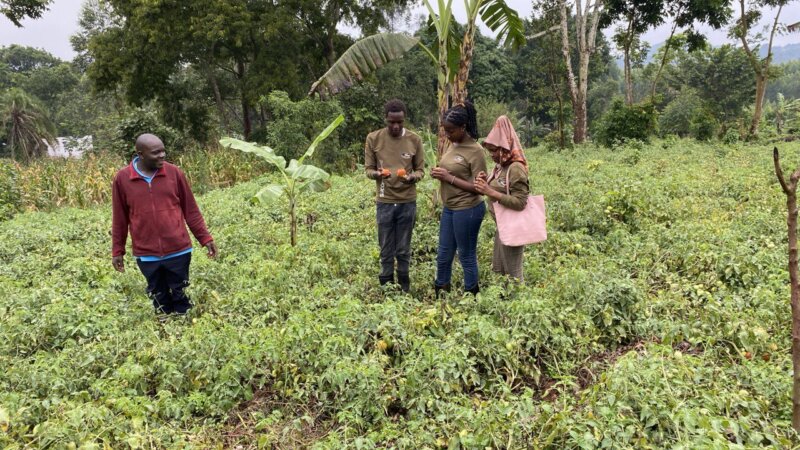
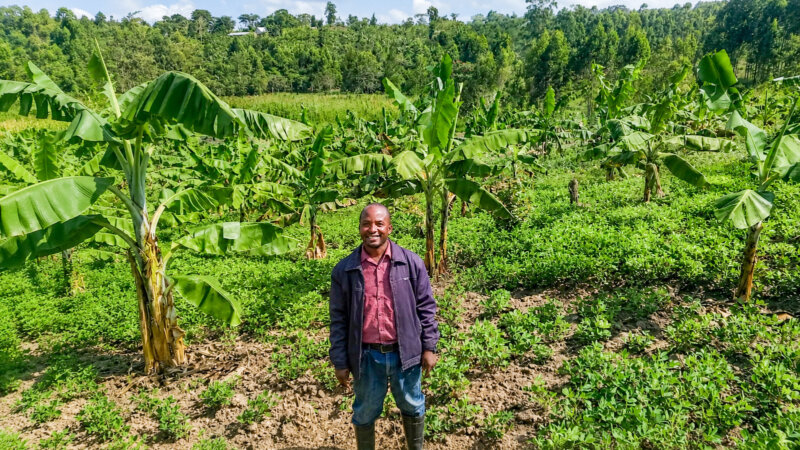
E-Course alumni in action: Strengthening food systems collaboration in Kenya
This report summarises the Food Systems E-Course Closing Event, held on 19 June 2026 in Nairobi, Kenya. The event celebrated participants’ completion of the 2026 Food Systems E-course and provided a platform to reflect on how alumni are applying the Food Systems Approach in their work. It also enabled graduates to meet in person, exchange ideas and explore opportunities for collaboration with fellow alumni, policymakers, development actors, knowledge institutions and businesses.
1. Introduction and Opening of the event
The E-Course Alumni Event commenced with the registration and reception of participants, bringing together alumni from the 2025 and 2026 cohorts alongside policymakers, development partners, private sector representatives, and research institutions. The event provided a valuable platform for networking, knowledge exchange, and reflection on the application of the Food Systems Approach across Kenya's diverse food systems landscape.
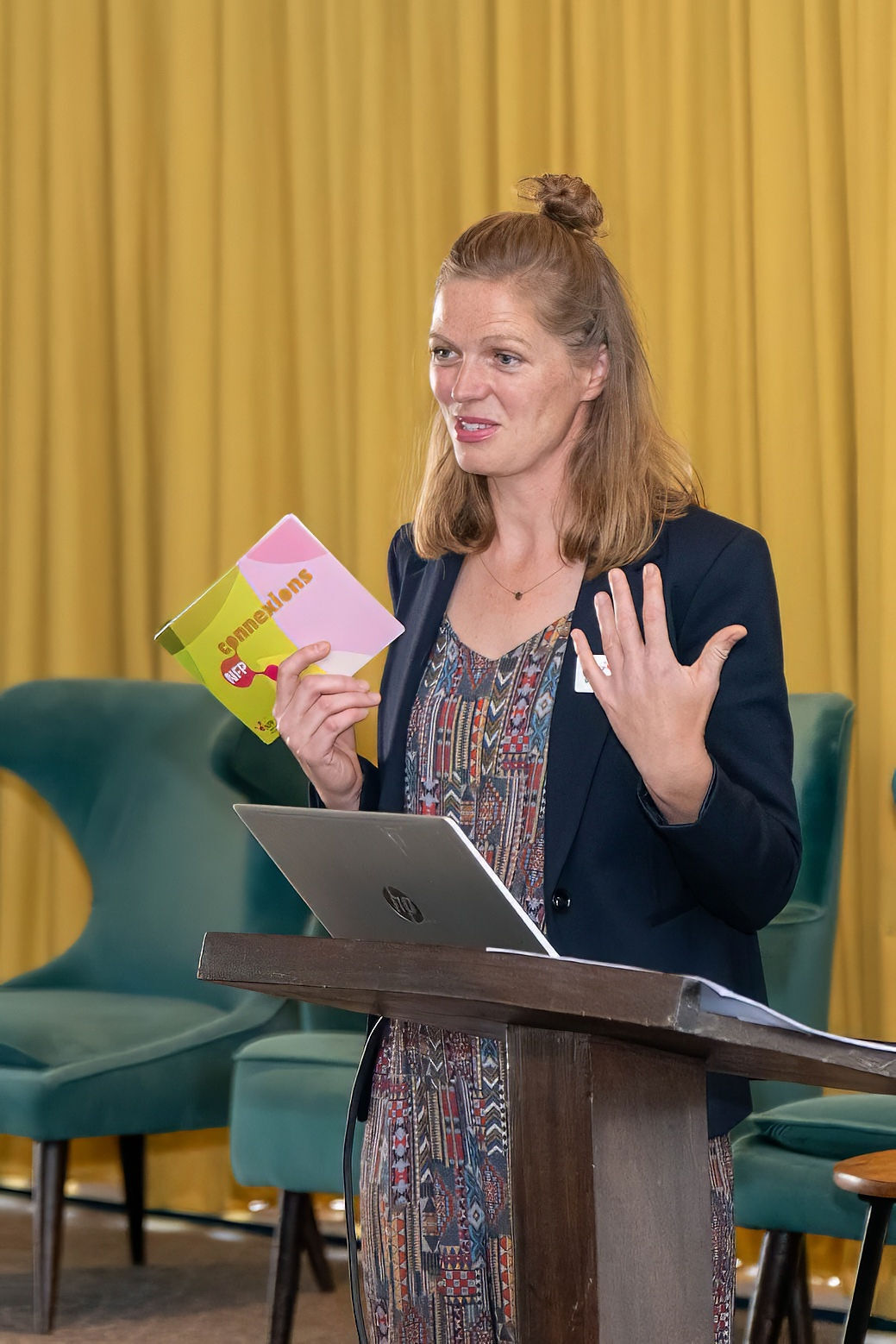
The event was officially opened by Ms. Bente Meindertsma, Partnership Builder at the Netherlands Food Partnership, who welcomed participants and underscored the importance of collaborative, systems-based approaches in addressing food security, nutrition, climate resilience, and sustainable economic development. The gathering aimed to showcase practical applications of the Food Systems Approach, highlight the impact of the E-Course on alumni and their organizations, and strengthen partnerships that support the transformation of Kenya's food systems.
2. Summary of proceedings
The program was structured around two key segments that combined expert insights, practical experiences, and innovative solutions from current practitioners.
2.1- Progress of Kenya's National Food Systems Pathway: Wangeci Gitata-kiriga
The first session featured a presentation by Wangeci Gitata-Kiriga, who provided participants with an overview of the current status of the Kenyan National Food Systems Pathway and her work under the Foresight4Food FoSTr Program. Her presentation explored the progress made in advancing food systems transformation in Kenya, highlighting the role of evidence-based decision-making, foresight methodologies, and multi-stakeholder engagement in shaping sustainable food futures.
Participants gained valuable insights into emerging food systems trends, policy developments, and the importance of strengthening collaboration between government, research institutions, private sector actors, and development organizations.
The presentation also emphasized the need to address systemic challenges such as climate change, food insecurity, market inefficiencies, and unequal access to resources through integrated and forward-looking approaches.

2.2 - Impact: panel discussion and Q&A session
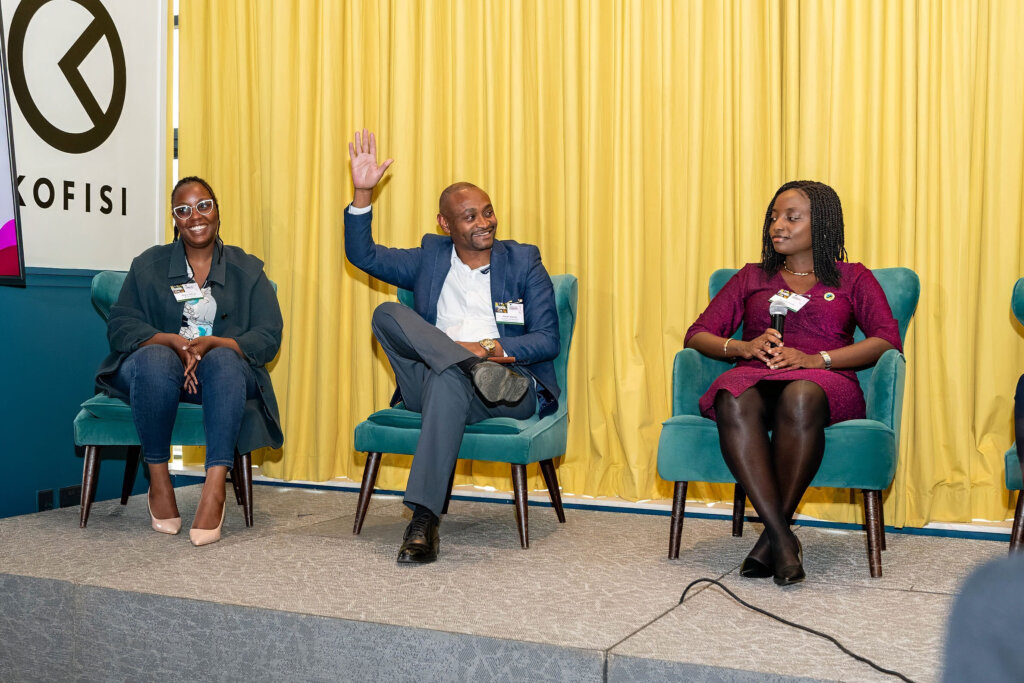
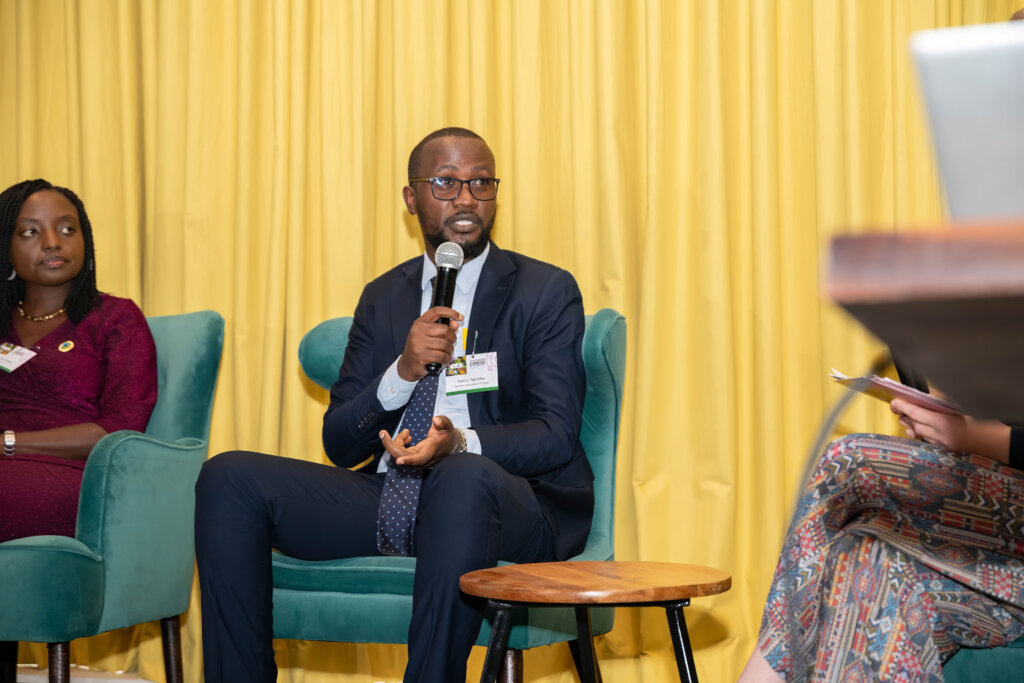
The event then transitioned into an interactive moderated discussion featuring E-course alumnus from previous cohorts. The panelists featured were: Caroline Songa - Project Coordinator Fairtrade Africa, Angela Githinji Wangeci - iShamba Limited, Henry Ng’ethe - Nutrition Association of Kenya and Harun Kariuki - Ministry of Agriculture and Livestock development.
The panel explored the practical impact of the course on participants’ professional work and organizational strategies.
The panelists shared experiences of how adopting a food systems lens transformed their understanding of challenges and opportunities within their sectors. They discussed how the course enabled them to move beyond isolated interventions and instead consider the interconnected relationships between production, processing, distribution, consumption, governance, and environmental sustainability.
The discussion highlighted several key themes, including:
Applying systems thinking to identify root causes of food systems challenges.
Recognizing leverage points where targeted interventions can create broader systemic impact.
Strengthening collaboration across sectors and disciplines.
Translating theoretical concepts into practical actions and programs.
Improving policy influence and strategic decision-making through evidence-based approaches.
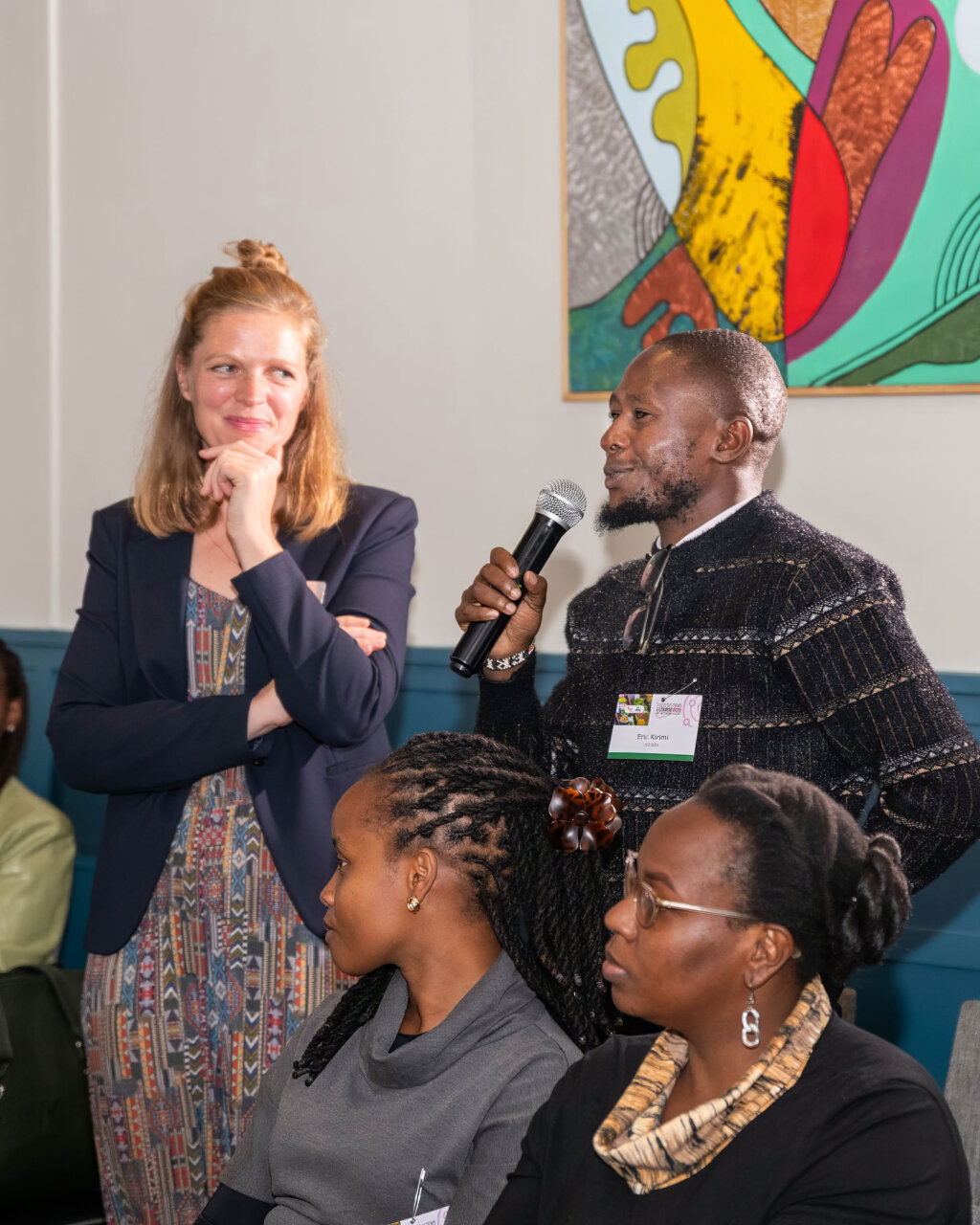
Panelists also reflected on challenges encountered when implementing food systems approaches and shared lessons learned in balancing theory with real-world operational realities. The discussion encouraged participants to consider how they could further integrate food systems thinking into their respective organizations and initiatives.
3. Key reflections and emerging insights
Several important insights emerged throughout the event, reinforcing the value of the Food Systems Approach in addressing complex challenges within Kenya's food systems. Participants emphasized that sustainable transformation requires coordinated action among government, private sector actors, researchers, development partners, and practitioners.
- Systems thinking improves programme design: Participants noted that applying systems thinking helps identify root causes of food systems challenges and enables the development of more integrated and effective interventions.
- Cross-sector collaboration is essential: The discussions highlighted the importance of collaboration across sectors and disciplines, recognizing that food systems challenges cannot be solved through isolated efforts.
- Alumni networks accelerate knowledge sharing: Participants acknowledged that the E-Course alumni network provides a valuable platform for exchanging experiences, sharing innovations, and fostering partnerships that can scale impact.
- Continuous learning strengthens institutional capacity: There was broad recognition that ongoing learning, adaptive leadership, and evidence-based decision-making are critical for advancing food systems transformation within organizations and communities.
Overall, the event reinforced the importance of creating spaces where practitioners, policymakers, researchers, and private sector actors can engage in meaningful dialogue, share practical experiences, and collectively identify solutions that contribute to more sustainable, resilient, and inclusive food systems.

4. Certification ceremony
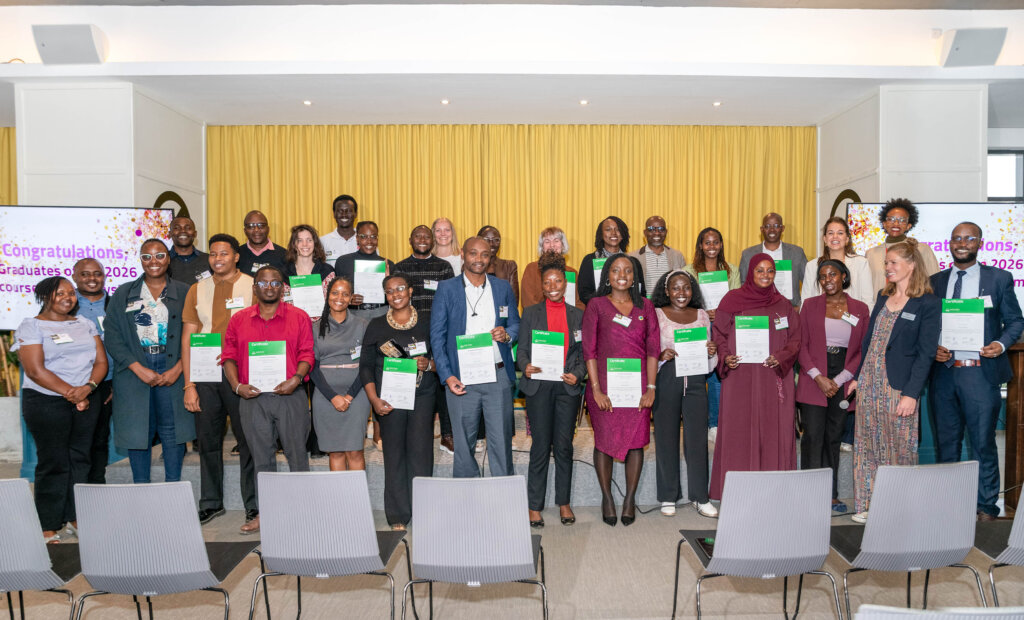
A key highlight of the event was the certification ceremony, during which participants from the E-course were formally recognized for successfully completing the program. The ceremony celebrated the commitment, dedication, and learning journey of the participants as they strengthened their understanding and application of the Food Systems Approach. Certificates were presented to graduates in recognition of their achievement and contribution to advancing sustainable and inclusive food systems within their respective sectors. The ceremony served as an important milestone, acknowledging the knowledge and skills acquired through the course while reinforcing the growing community of practitioners committed to driving food systems transformation in Kenya and beyond.
5. Closing activities
The formal program was concluded by Ms. Bente Meindertsma with a brief wrap-up session that summarized the key takeaways from the afternoon's discussions. Participants were encouraged to continue engaging with one another beyond the event and to leverage networks such as NFP-Connects and LinkedIn to sustain knowledge sharing and collaboration.
Following the formal proceedings, participants engaged in a networking drinks and mingle session designed to deepen connections and facilitate practical collaboration. A facilitation tool was utilized to help attendees identify gaps, opportunities, and missing links within their work while also enabling others to offer expertise, resources, partnerships, and referrals that could help scale impact.
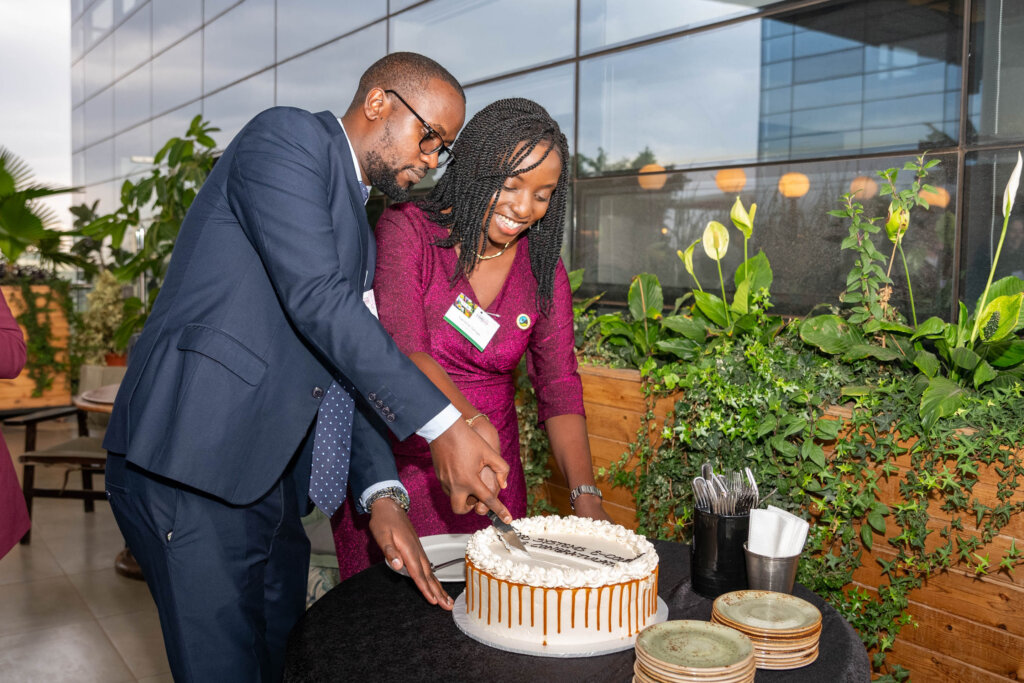
The event concluded with a celebratory cake-cutting ceremony, whereby Kimotho Kendi Events Coordinator, invited people over for cake and had two representatives who did cake cutting on behalf of others symbolizing the achievements of the E-course community and the growing network of food systems practitioners in Kenya. Participants then continued informal discussions over refreshments, creating a relaxed and engaging environment for relationship building, idea exchange, and exploration of future partnerships.

Recommendations
Continue organizing annual alumni engagement forums.
Develop thematic Communities of Practice for alumni.
Facilitate regular knowledge-sharing webinars.
Strengthen alumni engagement through the NFP Connects platform.
Document and disseminate alumni success stories to demonstrate the E-Course's impact.
The event reaffirmed the value of sustained collaboration among E-Course alumni and partners in advancing Kenya's food systems transformation agenda. Continued investment in alumni engagement, knowledge exchange, and cross-sector partnerships will be essential in translating learning into lasting impact.
Author

Kimotho Evelyn Kendi
Innovation advocate/Policy strategist