Transforming Food Systems: From Local Realities to Global Change (Video)
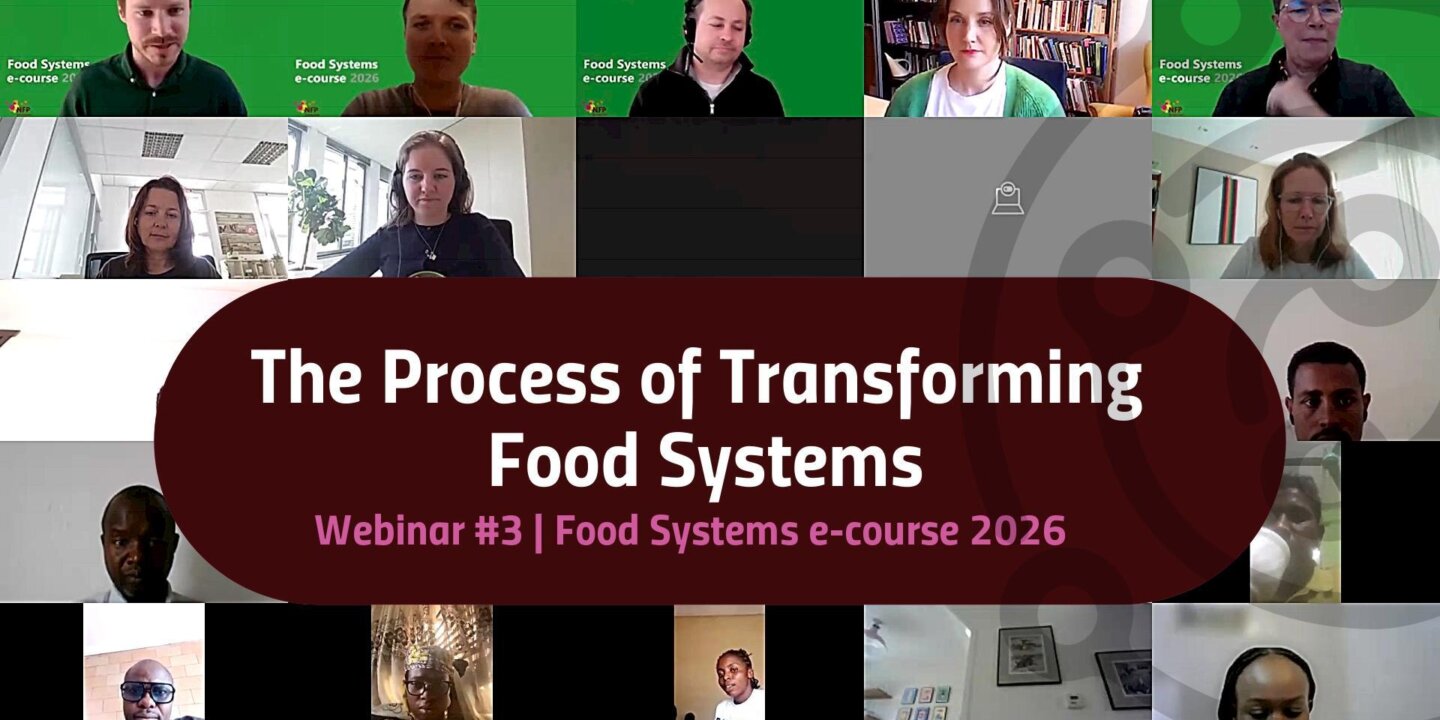
This plenary session explores how meaningful food systems transformation emerges through the interplay of local action, political dynamics, and everyday consumption practices. Bringing together insights from practitioners and researchers, it highlights the importance of community agency, global solidarity, and looking beyond data to understand real change.
On March 18, the third plenary session of the Food Systems e-course brought participants together to explore one of the most pressing questions of our time: how do we truly transform food systems?
Facilitated by Herman Snel, Senior Food Systems Advisor at Wageningen University & Research (WUR), the session featured three insightful presentations, each offering a distinct yet interconnected perspective on transformation—grounded in practice, politics, and everyday realities.
Starting Local: Lessons from Practice
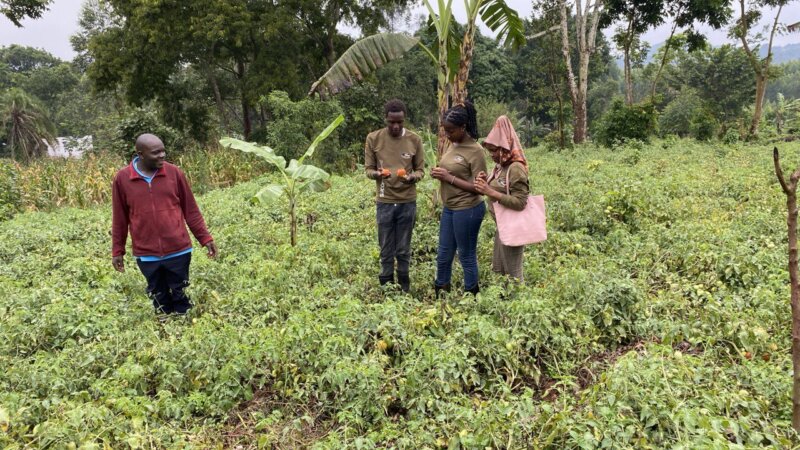
Sylvia Kuria, an organic farmer and entrepreneur from Kenya, opened the session by grounding the discussion in lived experience. Drawing from her journey with Sylvia’s Basket, she highlighted why county-level interventions can be powerful entry points for food systems transformation.
Proximity to communities, stronger extension services, control over local markets, and improved accountability all make local governance a strategic lever for change. Through three case studies, Sylvia illustrated the importance of community ownership, the use of local languages to ensure inclusivity, and the role of local leaders—such as chiefs and municipalities—in driving engagement.
Her message was clear: transformation begins where people are, and it succeeds when communities are actively involved.
Power, Politics, and Global Connections
Building on this, Jessica Duncan shifted the focus to the political dimensions of food systems. She emphasized the critical role of grassroots movements and food sovereignty, noting how local actions are deeply intertwined with global processes.
However, she also highlighted significant challenges—rising inequality, concentration of power, weakening civil society, and the limitations of multilateral systems. In this context, global solidarity becomes essential.
Systemic change, she argued, often emerges at the local level but must be understood within a broader global framework. Bridging these scales is key to creating meaningful and lasting transformation.
Rethinking the Role of Consumers
Sigrid Wertheim-Heck added another vital dimension by focusing on the consumer side of food systems. She challenged the overreliance on indicators, models, and dashboards that may not fully capture realities on the ground.
Too often, food systems discussions prioritize production and outcomes while overlooking governance, food environments, and consumption practices. Sigrid called for a shift towards recognizing consumer agency, shared responsibility, and co-creation with citizens.
Her perspective encouraged participants to look beyond data and metrics—to uncover hidden dynamics and better understand how everyday practices shape food systems.
Key Reflections from the Discussion
The session concluded with a rich Q&A discussion, surfacing several thought-provoking insights:
- Good data does not automatically lead to good policy.
- Transparency—especially around decision-making and influence—is critical.
- Not everything that matters can be measured; transformation also includes intangible elements like joy, pride, and connection.
- Staying curious, engaging beyond one’s comfort zone, and remaining open to learning are essential for supporting meaningful change.
Above all, one idea resonated strongly: change is constant—and navigating it requires both humility and collaboration.
A recorded video of the webinar is available on the NFP YouTube Channel and also presented below, prepared in four parts for easy viewing.
Author

Gizaw Legesse
Content Creator