Finance Should Prioritise Outcomes: Exploring Alternative Fertilizer Subsidy Models in Kenya
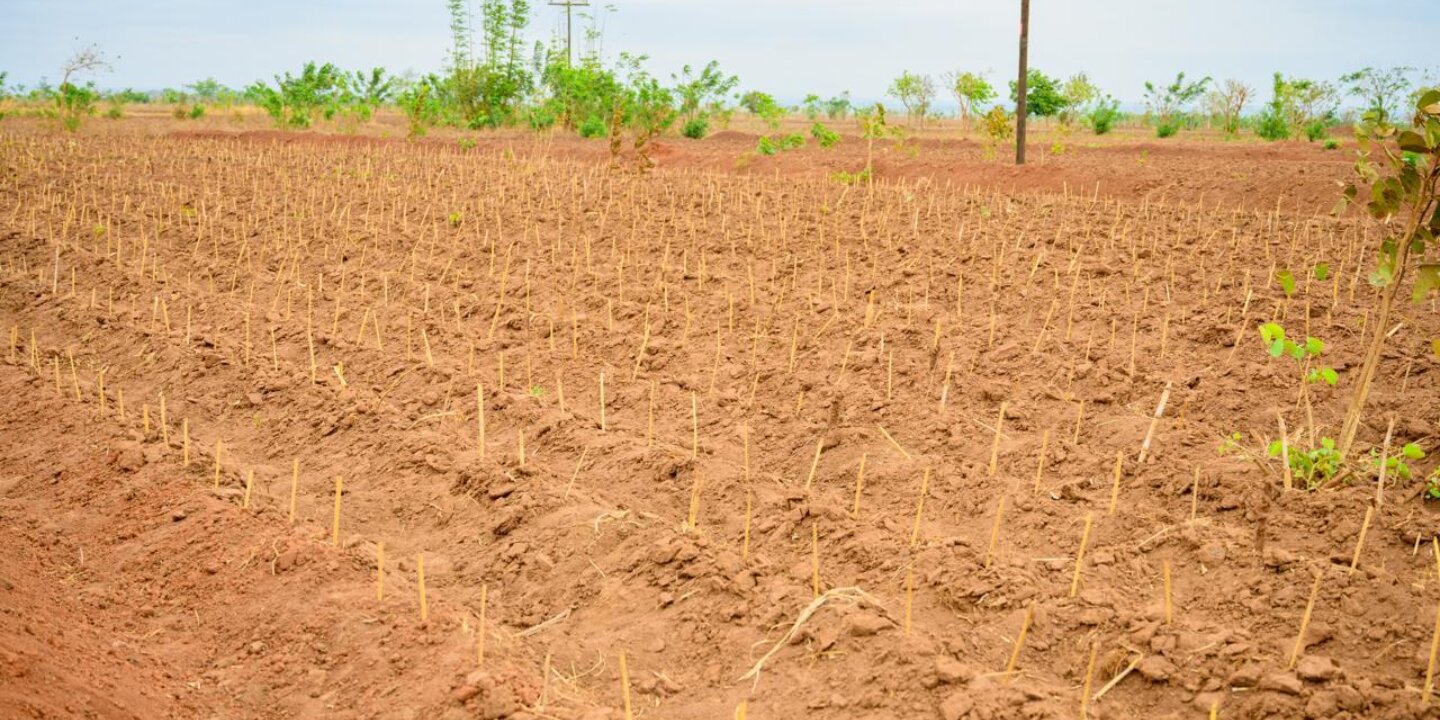
A farm field in Malawi prepared by applying soil-restorative mechanisms under the World Bank funded Soil Health project. Picture taken by Confrey Alianji, during a learning visit in October 2025.
Confrey Alianji is an Innovation Advisor at GIZ Kenya and leads a new project called CompensAction under the Sustainable Agricultural Systems and Policies Programme (AgSys). A participant of the Food Systems Finance e-course, he reflects on Kenya’s fertilizer subsidy landscape and shares insights from a pilot initiative exploring alternative, more sustainable subsidy models.
For years, fertilizer subsidies have been treated as a straightforward solution to boosting agricultural productivity in Kenya. Yet in my work at the intersection of agricultural policy, soil health, and climate resilience, I have witnessed the limits of how far these approaches go in delivering the long-term outcomes we expect. When subsidies prioritise input distribution alone, their ability to sustain productivity becomes limited — and the cost-effectiveness of public spending is undermined.
Kenya’s agricultural transformation agenda rightly recognizes the need to link productivity gains with soil health and climate resilience. Fertilizer subsidies have therefore played a central role for nearly two decades, from the National Accelerated Agricultural Inputs Access Programme (NAAIAP, 2007–2015) to the current National Fertilizer Subsidy Programme (NFSP, 2022–present). However, widespread application of inorganic fertilizers without soil-restorative practices, combined with limited extension support, have contributed to soil acidification and declining fertility.
Ongoing efforts to develop the Framework for Sustainable Financing and Subsidy Management in Agriculture, alongside policies such as the Agriculture Sector Transformation and Growth Strategy (2019-2029) and the Agricultural Soil Management Policy (2023), indicate a shift toward data-driven, site-specific, sustainability-oriented interventions that integrate soil diagnostics and innovative financing mechanisms.
A key disconnect, however, persists between public finance objectives and on-the-ground outcomes. Subsidy programmes often prioritise inputs rather than results, overlooking the risks, labour demands, and financial constraints farmers face in sustaining improved practices. Gender dynamics further widen this gap, as women farmers continue to experience unequal access to land, inputs, finance, and information. Without intentional gender-sensitive design, subsidy systems risk reinforcing existing inequalities.
More broadly, existing subsidy schemes face structural limitations. Public delivery models dominate, constraining private-sector participation and market efficiency. Subsidies tend to reward fertilizer use rather than incentivising practices that restore soil health or generate public ecological benefits. Weak integration between soil testing, extension services, financing, and performance-based incentives further limits impact.
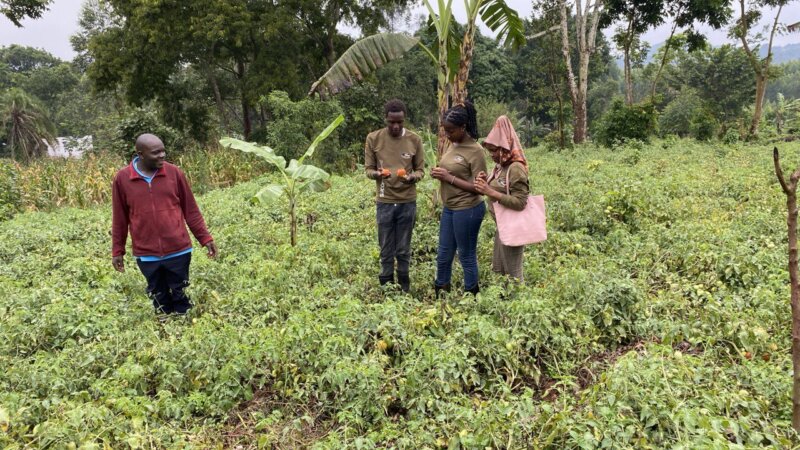
In response, GIZ’s Agriculture (AgSyS) team co-designed a pilot initiative in Bungoma, Kakamega, and Nakuru counties, working with national and county partners to test alternative subsidy models. The pilot bundles input support with soil health services, engages private-sector actors, and integrates innovative financing elements such as payment-for-ecosystem-services mechanisms.
What distinguishes this approach is how finance is being used strategically. Public and donor resources are structured to reduce risk, crowd in private actors, and strengthen local food systems, rather than displacing markets. Insights from the Food Systems Finance e-course reinforced that subsidies are most effective when they function as risk-management and signalling tools, supported by data, verification systems, and de-risking mechanisms.
Evidence also shows that well-designed incentives can encourage farmers to invest in sustainable practices when upfront costs and risks are reduced. Adoption, however, depends on enabling conditions, including predictable compensation, access to knowledge and inputs, and effective de-risking mechanisms. These insights highlight the limitations of traditional subsidy models and the need to repurpose public finance toward outcome-oriented approaches.
I see this pilot as an opportunity to demonstrate how incentive-based financing can reshape fertilizer subsidies toward resilience and real farmer outcomes. I believe it can help inform future food systems finance in Kenya by offering a scalable, data-driven model that government, funders, and blended finance actors can adapt and invest in.
—
Disclaimer: The views and opinions expressed in this blog are solely those of the author and do not necessarily reflect the views, policies, or positions of any organisation with which the author is currently or has previously been affiliated.
Author

Confrey Alianji
Food Systems Finance e-course Cohort