Strong Partnerships for Sustainable Food Systems: NFP’s 2026 agenda

Eyez Heaven
Food systems transformation is no longer a question of whether change is needed, but how we make it happen; faster, more fairly, and at scale. In 2026, the Netherlands Food Partnership (NFP) is doubling down on what works: strong partnerships that connect public, private, research and civil society actors around locally-led priorities and practical pathways for action. To that end we will be supporting and strengthening around 20 partnerships this year.
Our 2026 collaboration priorities
1) Country-driven partnership exploration
Partnerships start from locally articulated needs and priorities, matched with relevant Dutch expertise where it adds value. Across our portfolio, NFP partnerships will be active in 22 countries in 2026.
NFP will deepen collaboration in our six focus countries: Kenya, Egypt, Ethiopia, Senegal, Côte d’Ivoire and Benin, identifying actionable needs and leads for new partnerships in each country.
Partnerships that stem from from country priorities include:
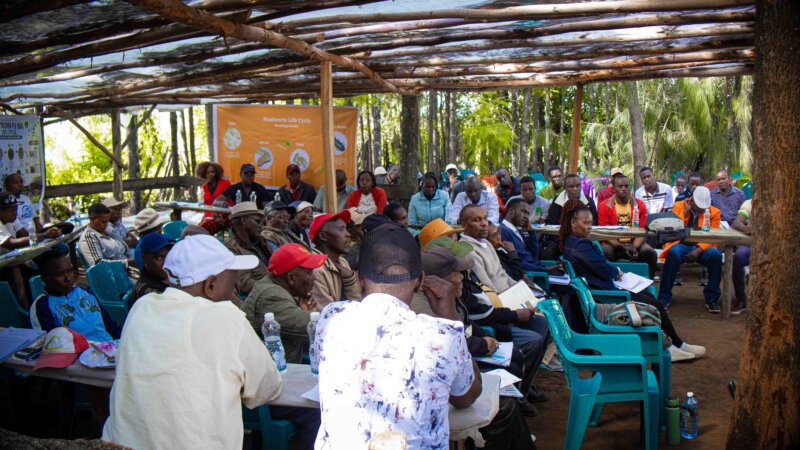
Insect Farming East Africa (strengthening associations and advancing adoption pathways in Kenya and Ethiopia)
Salinity Country Partnerships (facilitating co-creation of country programmes to address salinity through integrated, multi-actor solutions)
Water for Food (integrating water into food systems policy and investment to strengthen climate-resilient production in Kenya)
2) Sector-driven coalitions for transformation
In 2026, NFP will continue building coalitions and roadmaps where LMIC demand and Dutch expertise align. Priority (sub)sectors include dairy, horticulture, poultry, and sustainable agri-inputs, alongside continued work on seed and insects.
Examples of what this looks like in practice include:
- Circular Poultry West Africa (alternative feeds and manure valorisation in Côte d’Ivoire and Senegal)
- Sustainable Agri-Input Partnership (scaling up the use of safe bio-inputs in West Africa for horticulture and arable farming)
- Dairy East Africa Partnership (aligning Dutch expertise with East African priorities to strengthen sustainable and inclusive dairy systems)
- SeedNL (strengthening enabling environments and investment readiness through country partnerships)
3) Thematic partnerships for food system challenges
Together with many others, NFP will sustain momentum on tackling food system challenges, for instance through partnerships on; Biodiversity and Food Systems, True Price, Food System Finance and the Food System Accelerator; while exploring emerging priorities including conflict and instability, integrating water and food agendas, and infrastructure and cold chain solutions to reduce food loss and waste.
Key moments in 2026
Partnerships benefit from global moments that help align agendas and accelerate action. In 2026, NFP will engage around:
- African Food Systems Forum — Rwanda (September)
- CBD COP17 — Armenia (November)
- UN Water Conference — UAE (December)
- UNFCCC COP31 — Turkey
NFP will also mark World Food Day 2026 as a flagship moment, aiming to bring together 600+ participants and connect with a wider set of partner-linked events.
How to engage in 2026
If you work on food systems transformation—from government, business, research or civil society—there are clear ways to engage with NFP’s 2026 agenda:
- Co-create or join a partnership aligned to country pathways, sector coalitions, or thematic priorities.
- Engage through our focus countries in Kenya, Egypt, Ethiopia, Senegal, Côte d’Ivoire or Benin to translate locally articulated priorities into actionable collaboration.
- Follow NFP’s 2026 activities on socials as partnerships develop roadmaps, mobilise expertise, and deliver practical progress.
Strong Partnerships for Sustainable Food Systems is a practical collaboration agenda for 2026—linking locally-led priorities with shared expertise and joint accountability to accelerate food systems transformation.
Curious where you fit in?
Reach out to explore how we can build together
Author

Ivo Demmers
Executive Director NFP