Co-creating a biodiversity pilot programme for youth food system innovators in Kenya
How can we ensure that we don’t just learn from each other, but that we can do something that can trigger changes in how we do things in practice? This question sits at the heart of an emerging pilot program being developed through the NFP Biodiversity and Food Systems Partnership.
From opportunity to action
Across food systems, biodiversity is increasingly recognised as essential for resilient farms, thriving businesses, and sustainable livelihoods. Yet for many organisations, entrepreneurs, and programme implementers, an important challenge remains: how to better articulate the linkages between biodiversity and food systems, and how can I actually act on that within my activities?
To further explore this, NFP, Wasafiri and Impact Hub Amsterdam (IHA) joined forces in the past couple of months to explore how the partnership could develop a program that can support food systems programs to further integrate biodiversity in ways that are practical, relevant, and locally grounded.
Why youth programmes in Kenya?
To further unpack this opportunity, a joint scoping and development process involving consultations and interviews with a diverse range of actors across the food systems ecosystem was undertaken. These conversations explored where support for biodiversity integration could create the greatest value and impact. A clear opportunity emerged: youth-focused agri-food programmes.
Kenya came out of the process as offering a particularly promising context for a pilot of such an initiative. As one of the world's most biodiverse countries, it is also home to a vibrant ecosystem of young entrepreneurs who are helping shape the future of food systems. At the same time, many existing youth programmes focus on entrepreneurship, skills development, business growth, and market access, while biodiversity is often not yet explicitly integrated into programme design.
This raised an important question: how can biodiversity become a more visible and practical part of the programmes that support the next generation of food system innovators?
A roundtable to co-design the next step
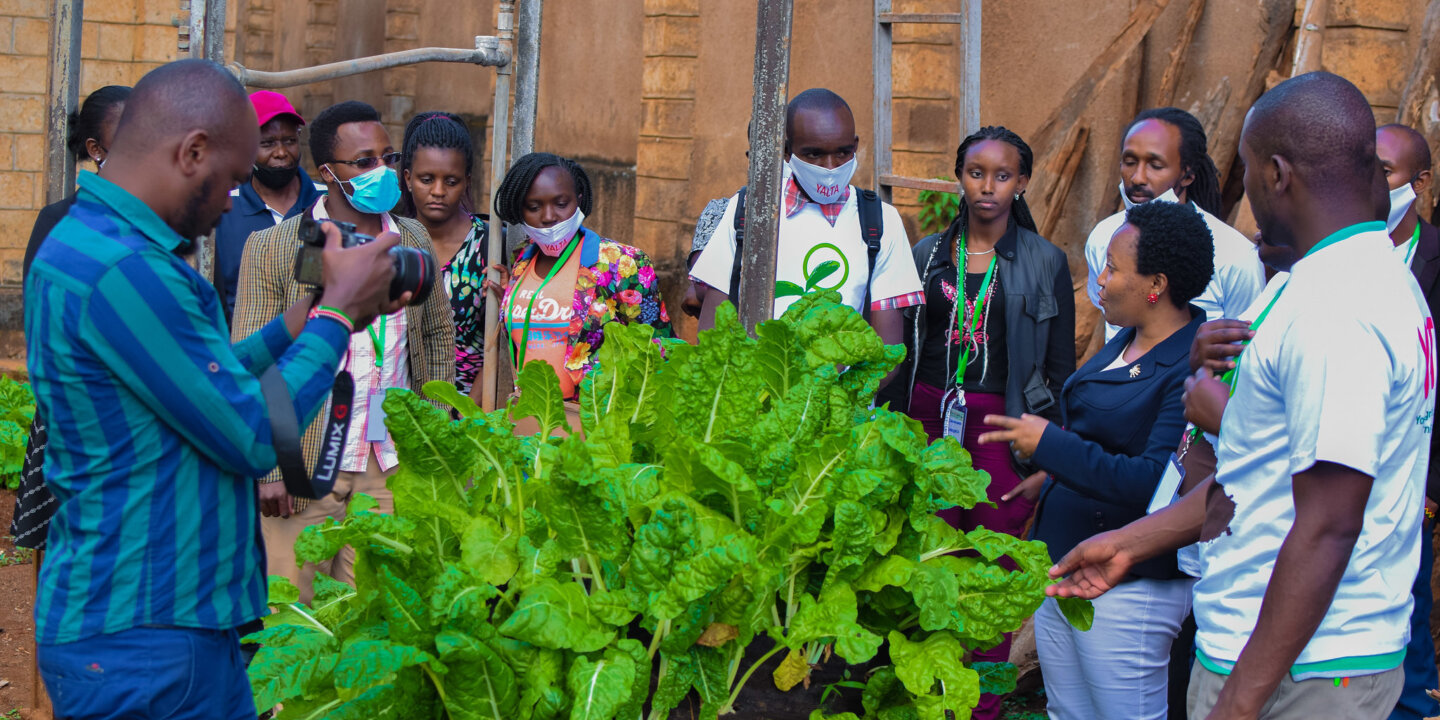
To explore this question further, a roundtable session was convened to bring together representatives from agri-food youth programs from across Kenya. The roundtable was designed as a collaborative step within the broader programme development process. Rather than presenting a predefined pilot program, the session created space to test assumptions, gather insights, and collectively explore what a future pilot programme could look like.
Participants reflected on how biodiversity is already being integrated into their work through agroecology, climate-smart agriculture, Indigenous knowledge, environmental stewardship, and youth entrepreneurship initiatives. The discussions highlighted a wealth of ongoing innovation and a strong commitment to building more sustainable food systems.
At the same time, participants identified several barriers that continue to limit biodiversity action. These included limited access to practical knowledge and mentorship, challenges in accessing finance as well as land, the difficulty of sustaining long-term engagement with young entrepreneurs, and the tension between biodiversity goals and the immediate economic realities many young people face.
Despite these challenges, a strong sense of opportunity emerged throughout the discussions. Participants highlighted the potential of hands-on learning, peer exchange, mentorship, community-based approaches, and stronger ecosystem collaboration to help young entrepreneurs connect biodiversity with viable business opportunities.
What could a future pilot look like?
The roundtable explored several possible directions for a future pilot programme, ranging from innovation-focused challenges and hackathons to futures-oriented learning labs and more intensive entrepreneurship support programmes.
While no final model has been selected, participants consistently emphasised the importance of practical application, long-term engagement, mentorship, and strong connections to local realities and market opportunities. The discussions also reinforced the importance of building on existing programmes and networks rather than creating parallel structures, ensuring that biodiversity knowledge and action can be embedded within initiatives that are already reaching and engaging the next generation of changemakers.
Looking ahead
The conversations so far have demonstrated strong interest, valuable expertise, and a growing appetite to connect biodiversity, entrepreneurship, and food systems transformation in new ways.
As the initiative continues to take shape, we are keen to connect with organisations, practitioners, researchers, entrepreneurs, funders, mentors, and biodiversity experts who see a role for themselves in this work. Whether through expertise, mentoring, implementation support, partnerships, learning resources, networks, or funding, we welcome opportunities to collaborate and co-create the next phase of this initiative together.
Interested in contributing? We'd love to hear from you.
Authors

Mariëlle Karssenberg
Partnership Builder - Netherlands Food Partnership

Hector Lopez Mariaca
Partnership Builder, Netherlands Food Partnership

Roseline Remans
Glocolearning & Alliance Bioversity International - CIAT

Gabriella Blakstad
Impact Innovation Consultant - Impact Hub Amsterdam

Tessa Werter
Innovation Strategist

Gacoki Kipruto
Partnerships Manager