NL IPBES Day 2026 Without biodiversity, there is no business. So why is change still so hard?
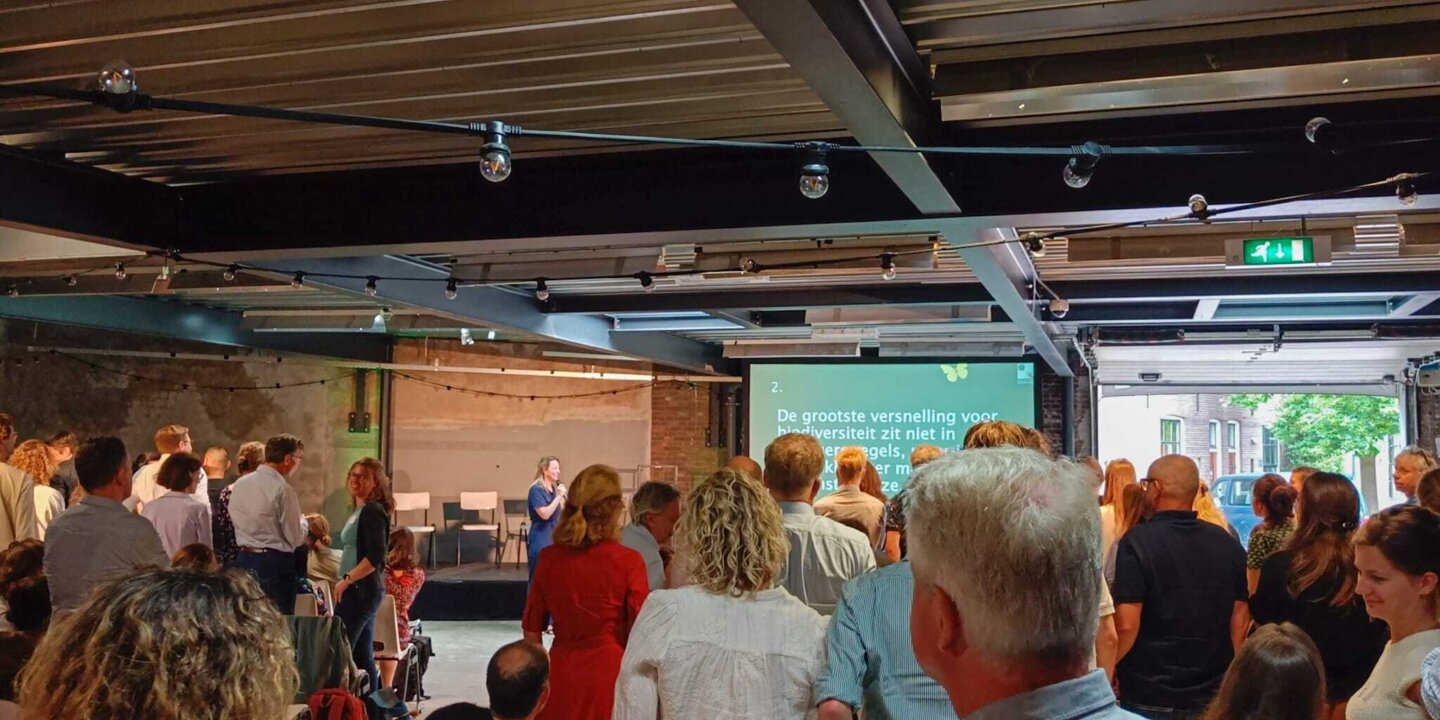
That question brought together around 150 representatives from government, business, financial institutions, knowledge organizations and civil society on 30 June at NL IPBES Day 2026. The occasion was the recently published IPBES Business & Biodiversity Assessment, a report that presents evidence that builds a very clear call: To do serious business, take into account biodiversity. Businesses depend on biodiversity, while simultaneously contributing to its decline through supply chains, investments and operations. Biodiversity loss is therefore not simply an environmental challenge, it is also a business challenge. For the Netherlands Food Partnership, the day was an opportunity to connect this global evidence with something we care deeply about: what it actually takes to transform food systems in practice.
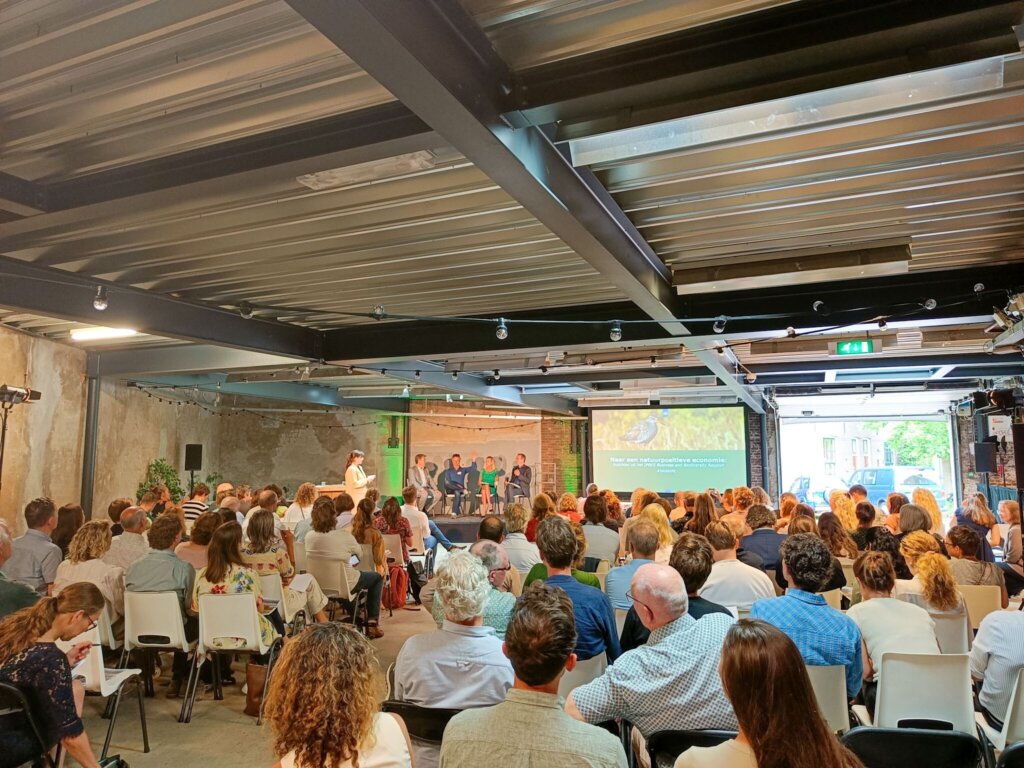
Science tells us why. The dialogue focused on the “how?”
One thing quickly became clear during the morning program. Few people questioned whether biodiversity belongs on the business agenda. Instead, the discussion centered around a much more difficult question: What is still holding us back to then actually do things differently? Rather than providing definitive answers, these conversations demonstrated that the transition requires organizations to learn together, challenge assumptions so we can take informed but brave steps.
How do we move from knowledge to action? Businesses increasingly have access to data, tools and methodologies. The challenge is no longer producing more information, but ensuring it changes decisions. But what theories of change will actually support such decision making processes?
What conditions are needed to accelerate change? Can businesses transform alone, and from what value perspectives? Or do they need clearer policy frameworks, a level playing field and accounting systems that better recognise the value of nature? And what happens when these ambitions meet a broader trend towards deregulation?
How do we make biodiversity a boardroom topic? Biodiversity can no longer remain the responsibility of sustainability teams alone. It needs to become part of conversations about risk, resilience, innovation and long-term business strategy. But how do we present the “business case” for biodiversity in a way that it gets a seat at the table in the boardroom?
How do we create stronger and broader momentum? Many inspiring frontrunners already exist (and were in the room with us). But how do we move beyond the pioneers to also facilitate change in others? But at the same time, how do we use the strength of the frontrunners more to build a stronger collective voice that encourages policy, finance and businesses to move faster?
How do we position biodiversity as an enabler? Rather than treating biodiversity as a separate environmental issue, participants repeatedly emphasize that part of the challenge is that we have to address the topic with other nexus agenda’s, including: food security, climate resilience, healthy economies and business continuity. How do we ensure that biodiversity is not an add on, but considered as a critical leverage point in those other conversations?
What does this look like in practice?
The afternoon breakout sessions further brought these strategic discussions to life. Showing how different actors in different fields of work are already making the necessary changes. We share some insights from the two (out of 7) breakout sessions that NFP was particularly involved in shaping the sessions with the partners:
💰Investing in Nature
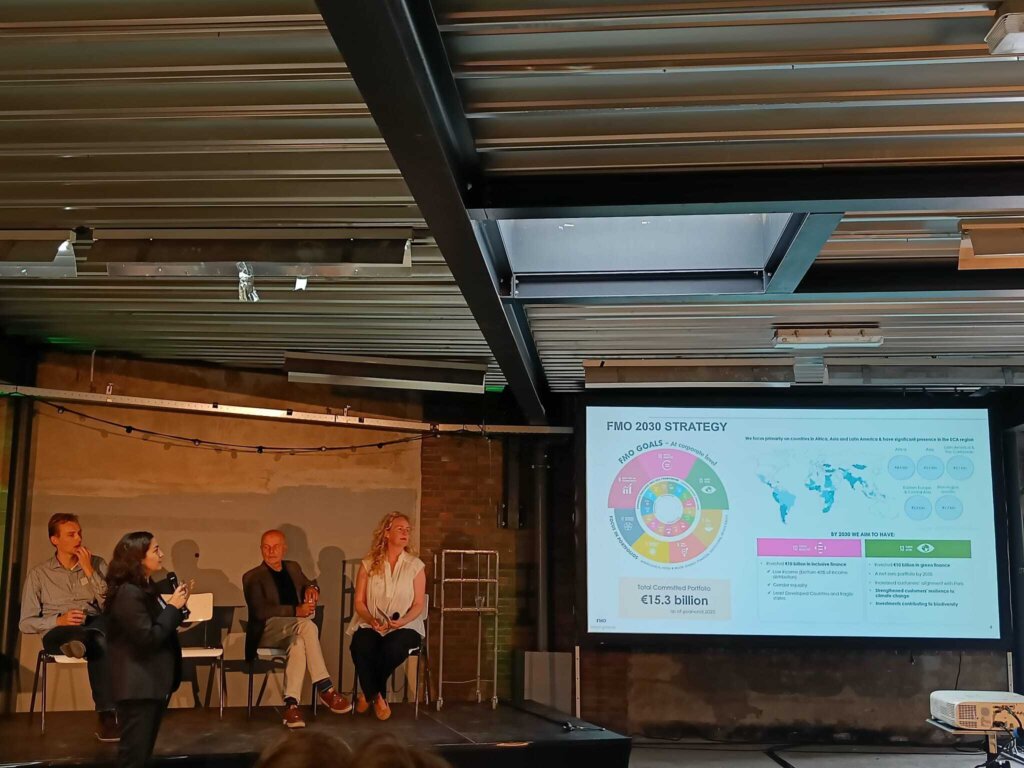
In this breakout session, moderated by Foundation for Sustainable Development, participants explored how biodiversity can increasingly become part of investment decisions. While the financial case for nature is becoming clearer, current financial systems still undervalue biodiversity, resulting in significant underinvestment in nature-positive solutions. Through practical examples from FMO, Commonland and Rabobank participants reflected on what works to unlock and scale investments in nature.
Three key insights stood out:
Investing in nature is investing in resilience, as healthy ecosystems underpin resilient economies, businesses and value chains while creating long-term economic, social and ecological value. While ‘the’ investment case in nature doesn’t exist, through work on the ground, concrete investment cases surface - everywhere in the world/ no matter where you are in the world.
Nature finance scales through partnerships that bring together governments, financial institutions, businesses, communities and intermediary organizations to build trust and unlock investment opportunities. Establishing these partnerships and the trust behind them, requires time and process investment, but these upfront investments help to de-risk and attract larger investments.
Landscape approaches create investable pathways towards nature-positive and just transitions by restoring ecosystems, strengthening local livelihoods and building more resilient value chains. Examples of landscape approaches are developing around the world and are particularly successful when process, inclusion and trust building among actors is sufficiently invested in. See also here for more insights on a formula for regenerative landscape economies.
⛓️💥Sustainability in international food value chains
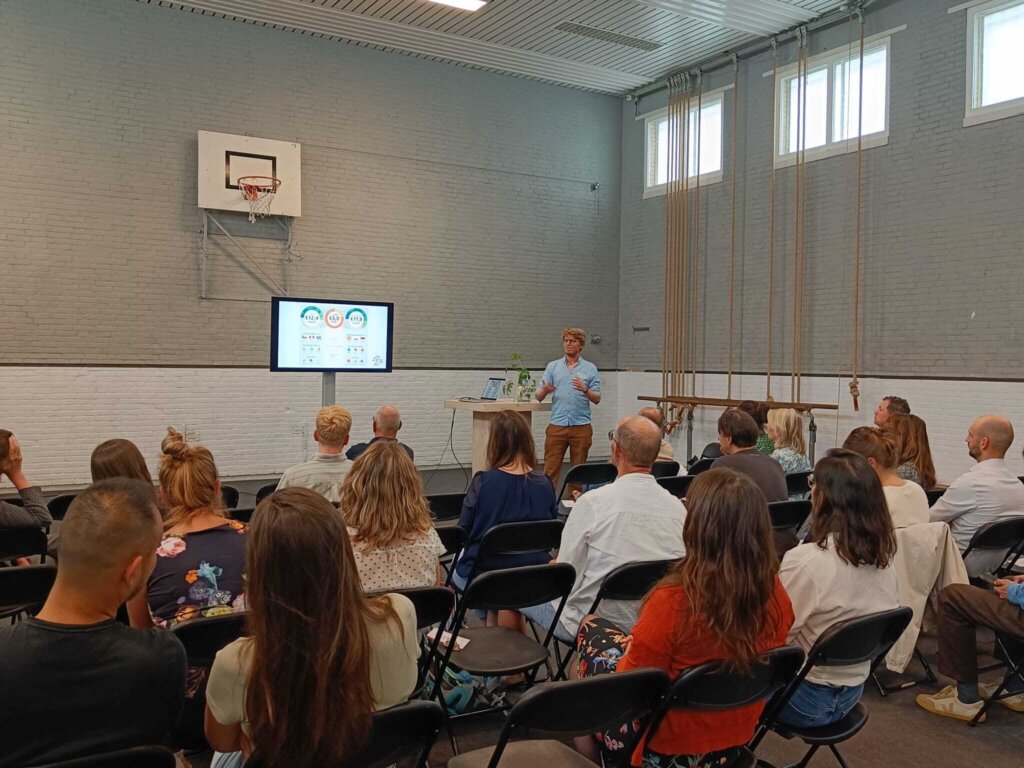
Nature's Pride, a Dutch company importing exotic fruits and vegetables, gave participants a “peak behind the scenes” in this breakout session. Through practical examples from their international fresh produce supply chains, we got to learn from their experience with both the opportunities and the challenges involved in working with producers, governments, retailers and other partners across landscapes. Throughout the presentation, participants raised their questions, experiences and ideas. Moving the event from a standard presentation, to an exciting dialogue reflecting many different sectors, scale and points of view.
From that dialogue three key insights emerged:
The tools to assess impacts and risks already exist and are valuable, but real change comes from understanding what truly matters and having the courage to make strategic choices about where your company focuses its efforts.
Collective action is an essential mechanism for advancing biodiversity across agricultural value chains and food systems.
Meaningful action within your value chain is only possible when the perspectives, knowledge and priorities of local actors are fully integrated into decision making.
Looking ahead
An encouraging insight from the day was that biodiversity is gradually moving beyond being viewed as "just another sustainability topic”. In the conversations throughout the day, biodiversity was increasingly framed as fundamental to resilient businesses, secure food systems and healthy economies, people and nature. The challenge now is not only to generate more awareness. It is turning a growing body of knowledge into the partnerships, investments and decisions needed to make biodiversity part of business as usual. NFP is excited to continue supporting such efforts.
More information
NL IPBES Day 2026 was co-organized by the Ministry of Agriculture, Fisheries, Food Security and Nature, the Ministry of Foreign Affairs, RVO, IUCN NL, Future Up and the Netherlands Food Partnership in connection with the publication of the IPBES Business & Biodiversity Assessment. Interested in another perspective on the event?
Authors

Mariëlle Karssenberg
Partnership Builder - Netherlands Food Partnership

Roseline Remans
Glocolearning & Alliance Bioversity International - CIAT