Breaking the 27% Barrier: Transformation for Ivorian Cashew Sovereignty
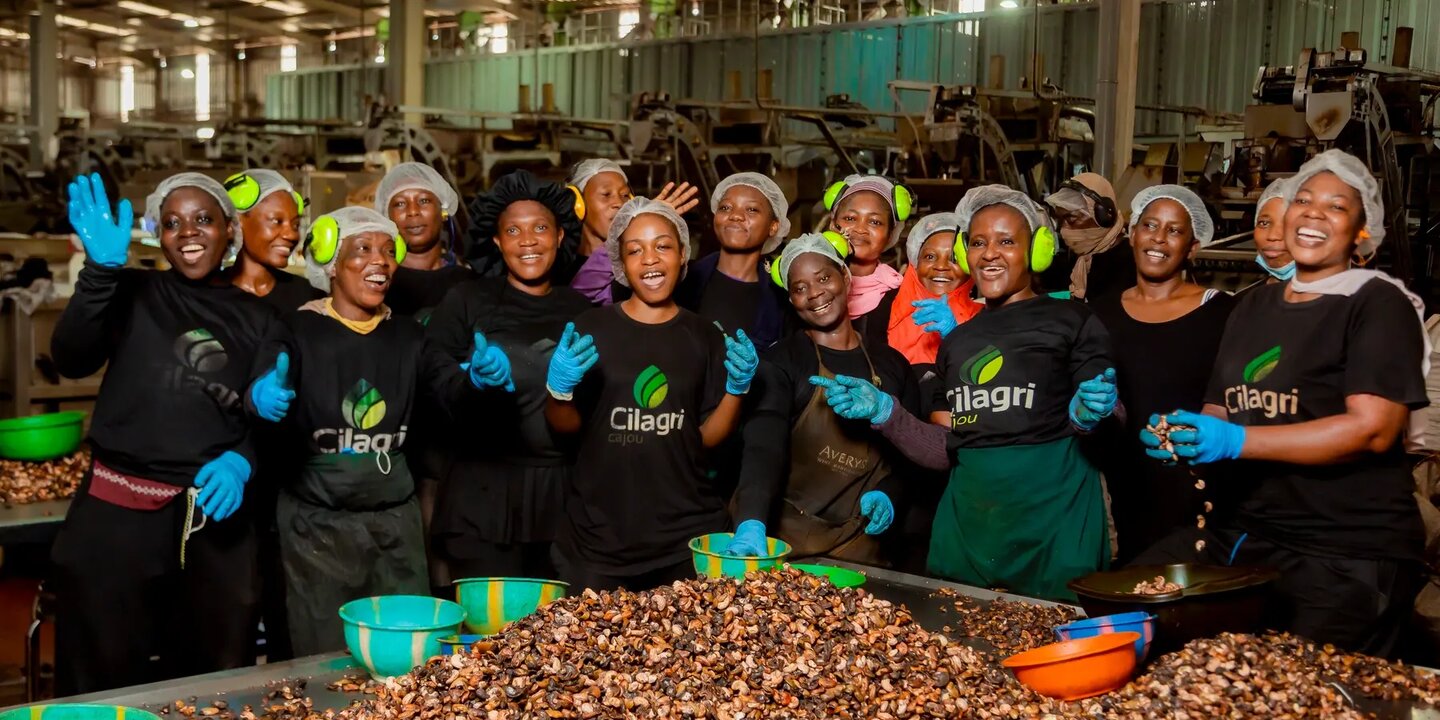
Cilagri’s female workforce stands at the heart of local cashew processing. With women representing 70% of the sector, its transformation is vital for dignified work and social stability. Picture by Jonah Kacou, April 2026.
Jonah Kacou is a financial consultant and supply chain specialist at Mama-Africa. As a participant in the 2026 Food Systems e-course from the Netherlands, he draws on field research and his internship at Cilagri Cajou in Côte d’Ivoire to explore how interest rates constrain local cashew processing and proposes a more inclusive financing solution.
In the boardrooms of Abidjan, I learned that the difference between a thriving industry and bankruptcy lies not in the quality of the cashew nut, but in its financing.
Côte d’Ivoire is the world’s leading producer of raw cashew nuts, supplying nearly 40% of global demand. Yet most of this ‘grey gold’ is exported raw, with value addition taking place elsewhere. While the government targets 50% local processing by 2030, the current financial system continues to stifle this ambition.
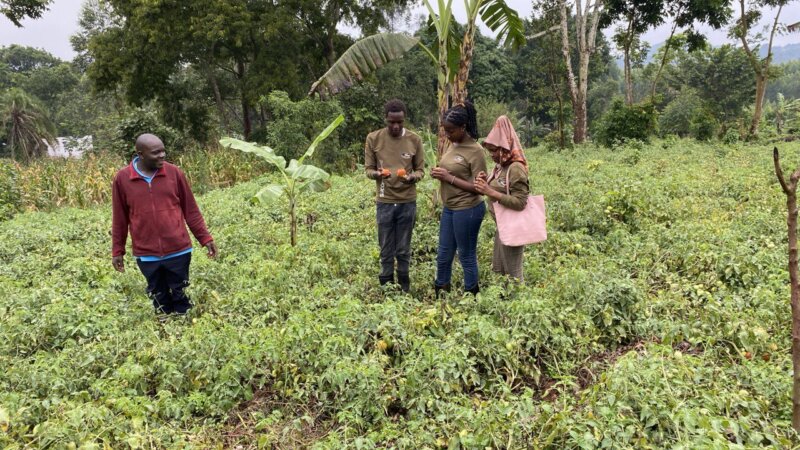
During my recent field research and internship at Cilagri Cajou, I tested the food system theories from my e-course against the local reality. From procurement hubs in Toumbokro to processing floors in Abidjan, I was confronted by a painful economic paradox.
The ‘Missing Middle’: Suffocated by capital costs
At the heart of the problem lies the ‘Missing Middle’: processors too large for microfinance, yet considered too risky by commercial banks. As a result, local entrepreneurs face interest rates as high as 27%. In the Netherlands, we use the term ‘usury interest’ for rates above 12%. In Côte d’Ivoire, 20–27% is standard practice.
This is not just a financial constraint; it is a structural barrier to industrialisation. Such high interest rates create a systemic lock-in, where capital flows out of the system instead of strengthening it. For example, when a $10 million loan can result in $2.7 million flowing annually to banks rather than being reinvested in the value chain.
From Extraction to Community Hub
Transition toward Agri-Equity, financing based on shared risk and shared returns, offers a way forward. Instead of fixed high-interest repayments, this model aligns returns with performance, transforming a factory from an extractive model into a ‘Community Hub’.
How would this work in practice?
For the Investors (Banks), the shift from creditor to partner reduces default risk and creates long-term valuation potential. For the producers such as Cilagri, capital previously lost to interest can be redirected toward industrial excellence, including meeting international standards like BRC certification required for premium markets.
For the employees, 70% of whom are women, this financial flexibility creates space for improved working conditions, stronger social dialogue, and progress toward living wages. Industrial growth becomes a vehicle for genuine economic empowerment.
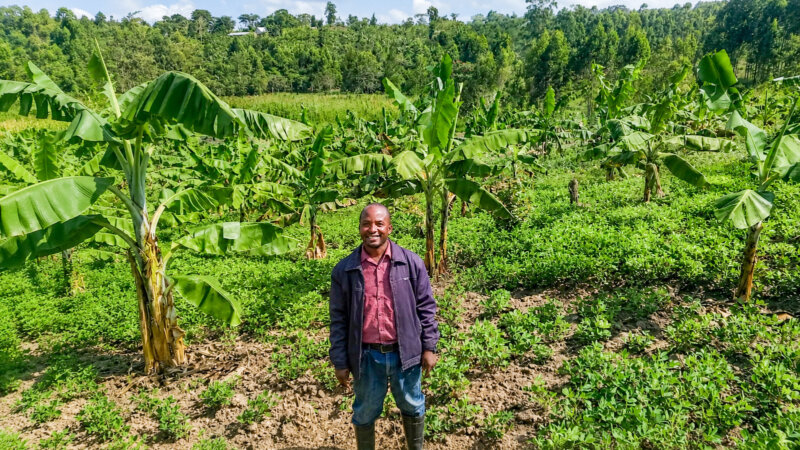
For the value chain, resources can be reinvested in smallholder suppliers through technical assistance. Improved harvesting and drying techniques enhance product quality and ensure more stable incomes for farmers, strengthening the entire supply chain.
This model reflects the systems thinking approach explored during the e-course. It recognizes that the 27% interest rate is not simply a financial issue, but a systemic barrier affecting the entire Ivorian cashew value chain.
The Call for Change
Côte d’Ivoire has the capacity, talent, and ambition to transform its cashew sector. What remains missing is a financial architecture that enables this transformation. We cannot build economic sovereignty using extractive financial tools.
I call upon banks, investors, producers, farmers, and policymakers to re-examine our current risk models and work toward more collaborative financing approaches. By sharing responsibility and aligning incentives, we can unlock the sector’s true potential and ensure that its growth benefits everyone in the value chain.
Author

Jonah Kacou
2026 Food Systems e-course Participant