Unleashing the power of biofortified crops: a journey towards resolving public health
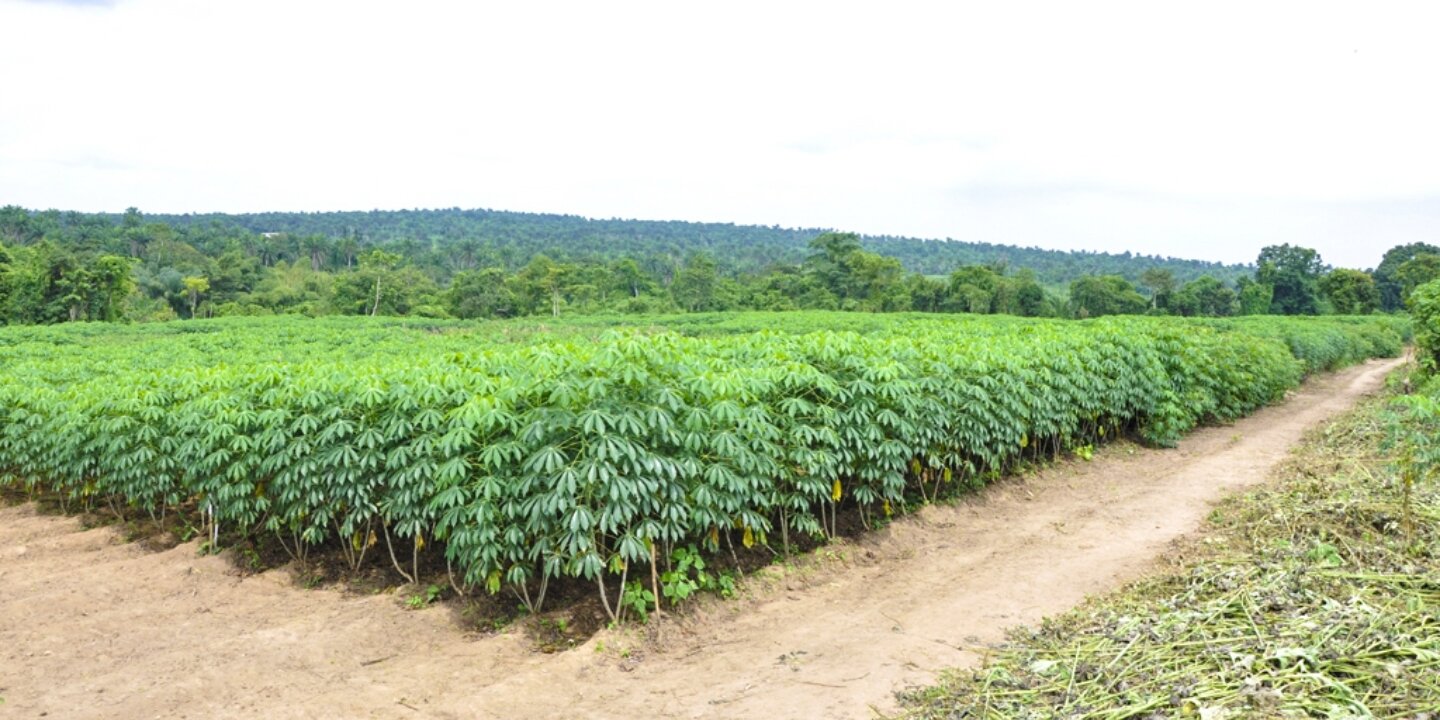
Vitamin-A-rich cassava farm in Afijo LGA Oyo state, Nigeria. Image: Courtesy of GAIN.
Blessing Ukamaka Ugwunne is Country Programme Monitoring and Improvement Manager at Global Alliance for Improved Nutrition (GAIN) in Nigeria. She is a participant of the 2024 food systems e-course. Blessing is currently working in Strengthening Nutrition in Priority Staples (SNiPS) project, which focuses on commercialisation of biofortified crops. She writes this blog to reflect her experience from the project and her insights from the food systems e-course.
Malnutrition affects millions in the world. In my country Nigeria, 37 per cent of children, 6 million, are stunted – they are chronically malnourished or have low height for their age. More than half of these children are in severe condition. This is mainly due to lack of important nutrients, such as vitamins and minerals, and biofortification has been offering a transformative solution to global malnutrition.
Nigeria is rich in agriculture. But promoting and expanding biofortified crops has a long way to go. Despite being a major producer of cassava and maize globally, adoption of biofortified varieties has been very limited.
Embarking on a project introducing biofortified crops filled me with hope for real change. However, delving deeper revealed startling truths about the challenges communities are facing. In Benue state, for example, cassava and maize are significant staple foods. But many families are unaware of their nutritious alternatives. Even among those who know, the demand is minimal. Bridging this gap between necessity and availability became my mission. Connecting farmers with seed producers sparked hope, showing that malnutrition isn't just about quantity but quality too. It's a journey of resilience, commitment, and the pursuit of a healthier future.
Insights from the food systems e-course reinforced this. Achieving accessibility and affordability of food, and tackling malnutrition, demands a strategic approach. It requires considering factors such as economic, availability, waste, and security. I have learnt that to maximise impact and resilience against challenges like climate change and market fluctuations, we need a multi-faceted strategy. In particular, for tackling the complexity of biofortified crops across production, processing, distribution, and consumption levels, our strategy should address issues from expanding supply networks to enhancing processing skills and securing financing.
I am more committed towards building resilience against challenges like climate change and market fluctuations, to foster collaboration among stakeholders, to encourage innovations and promote sustainability. Though reaching millions of Nigerians with nutrient-rich food seems tough, I'm confident it's achievable. And reflecting on this journey strengthens my commitment to address access to nutritious food as a fundamental human right.
Author

Blessing Ugwunne
e-course participants