Timing Matters as Much as Money: Why Financing Vegetable Farming Needs a Rethink

Sacks of onions at the vegetable market place in Batu, November 2025. Picture taken by Solomon Zelalem.
Solomon Zelalem is a Portfolio Manager at Aggar Microfinance Institution with over fifteen years of experience in the microfinance sector in Ethiopia. He is a participant of the Food System Finance e-course. In this blog, Solomon reflects on why credit alone is not enough for vegetable farmers and argues for redesigning financial products to better match realities of food systems.
Before sun rise in Batu, the vegetable market is already alive. Brokers shout prices, trucks rumble in and out, and farmers stand beside sacks of tomatoes and onions. It looks like abundance. But for vegetable farmers here, the biggest challenge is not how much they produce—it’s time. They must sell quickly, often urgently, to repay loans.
In my experience working in the microfinance sector, I have seen this pattern repeated across many farming communities. In food production, success is not only about yields; it is also about how money is handled, how it is timed and managed. If vegetables reach Addis Ababa on time and prices hold, farmers can repay loans, reinvest, and plan ahead. Otherwise, everything quickly starts to unravel.
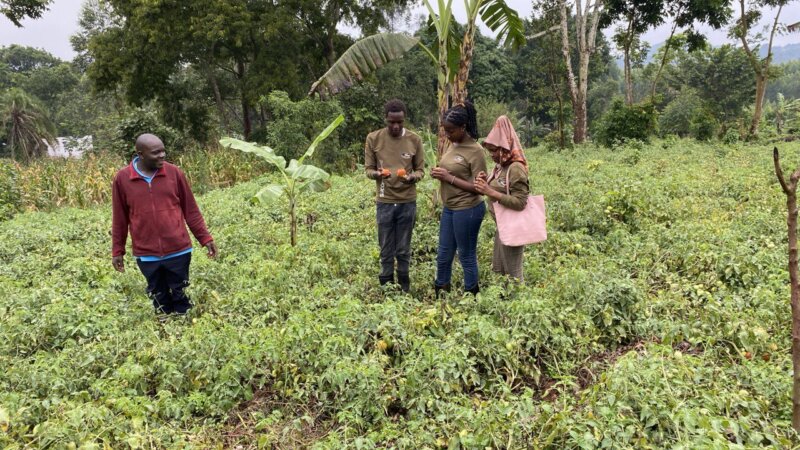
Two months ago, during a branch visit to Aggar Microfinance Institution in Batu, I met and discussed with vegetable farmers struggling with repayments. One of them was Mr. Bersa Feyisa*, whose experience reflects that of many farmers in the area.
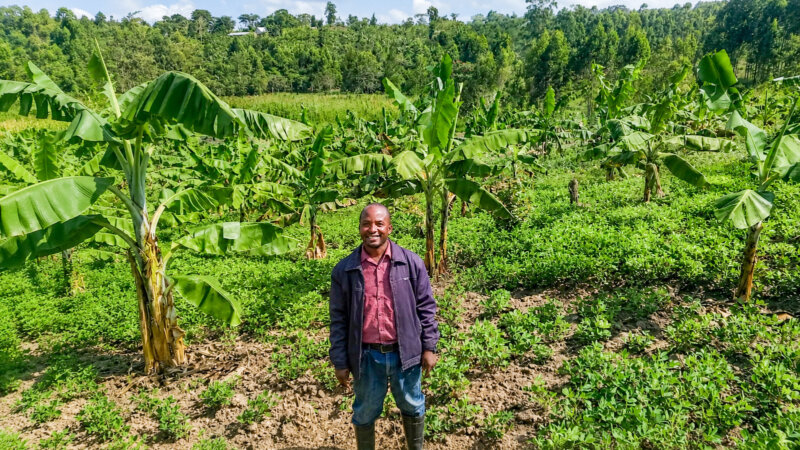
Bersa farms about half a hectare near Batu, growing mainly tomatoes and green peppers. In a good season, his farm feeds his family, employs at least one worker, and allows him to save a little cash. In a bad season, he barely covers his costs.
A few years ago, Bersa received a standard microfinance loan designed primarily for grain farmers. The loan helped him buy better seeds and fertiliser, but the fixed repayment schedule did not match the realities of vegetable farming. When tomato prices dropped sharply due to oversupply from other areas, he was forced to sell his produce early at low prices just to meet his payment deadline. He did not default at the time, but the consequences were serious. He exhausted his savings, could not reinvest, and postponed planned improvement to his irrigation.
Batu, located in the heart of Ethiopian Central Rift Valley in Oromia region, has favourable weather and access to Lake Dembel — making it a major vegetable growing spot in Ethiopia. Yet farmers here face high risks and limited access to suitable finance. Most loan products are poorly aligned with short production cycles, price volatility, and the perishability of vegetables. For vegetable farming, credit alone is not enough. It requires flexible repayment schedules, working capital before and after harvest, and risk management tools such as weather insurance.
I have encountered farmers like Bersa for years, especially in areas around Batu. The food system finance e-course helped me better understand that finance is not just some neutral element floating around. The set up actually shapes how farmers act, how markets function, and how resilient the entire system becomes.
Farmers are not just loan recipients; they are key actors in Ethiopia’s food system. Providing them with appropriate and timely finance is not charity. It is a strategic investment in a system where timing, motivated farmers, and financing structures must work together.
Through the food systems finance lens, it becomes clear that when finance ignores timing, it pushes farmers into distress sales and reinforces cycles of debt. When finance reflects how food systems actually function, it enables stability, investment, and resilience. This has challenged me to think more critically about how financial products are designed — especially within microfinance institutions, which are closest to smallholder farmers and therefore have a unique responsibility to redesign products that better match the realities of food systems.
—
Disclaimer: The views and opinions expressed in this blog are solely those of the author and do not necessarily reflect the views, policies, or positions of any organisation with which the author is currently or has previously been affiliated.
* Name has been changed to protect privacy.
Author

Solomon Zelalem
Food System Finance e-course Cohort