2025 NFP True Pricing Seed Fund winners: where they are now
In 2025, NFP’s True Pricing Seed Fund, supported by the Ministry of Agriculture, Fisheries, Food Security and Nature, backed four projects to apply True Pricing / True Cost Accounting (TCA) approaches in food value chains with an impact in LMIC — generating practical evidence to inform decision-making by relevant public and private actors to reduce the identified social and environmental costs. All four projects will be completed in 2026. Below you will find the latest progress updates from each project.
True pricing (or True Cost Accounting) looks beyond the market price to include social and environmental costs — for example, farmer incomes and working conditions, as well as impacts on nature and climate.
Kumasi is working on the development of a true pricing analysis to better understand the impact of valorizing side streams on the true price of a product (making higher-value products from by-products that would otherwise be wasted). Kumasi is doing this in Ivory Coast where they are valorizing cocoa juice from the cocoa fruit, as a side stream of cocoa beans. The consortium partners have jointly developed the survey questionnaire that will form the basis of the analysis. They have now moved into the data collection phase, surveying 100 farmers currently supplying cocoa juice and 100 farmers not involved in cocoa juice production. This comparative approach will allow the consortium to assess the differences in income, cost structures, and overall value creation. The survey results will provide important insights that will feed into the True Price assessment and the broader evaluation of the economic potential of cocoa juice (and waste streams) valorisation.
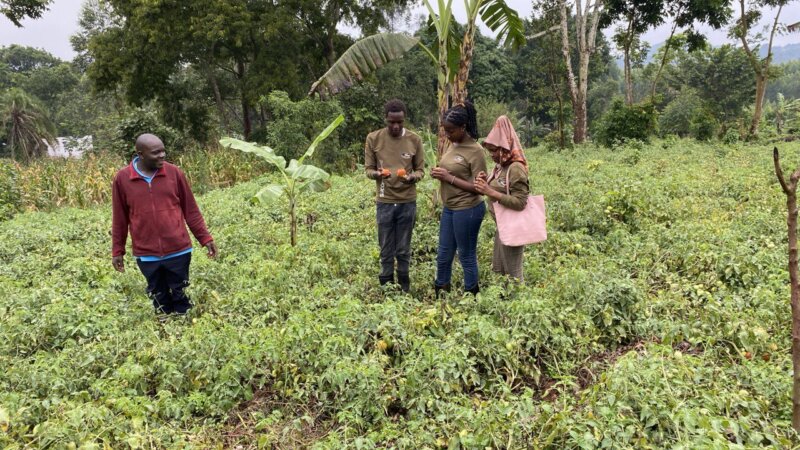
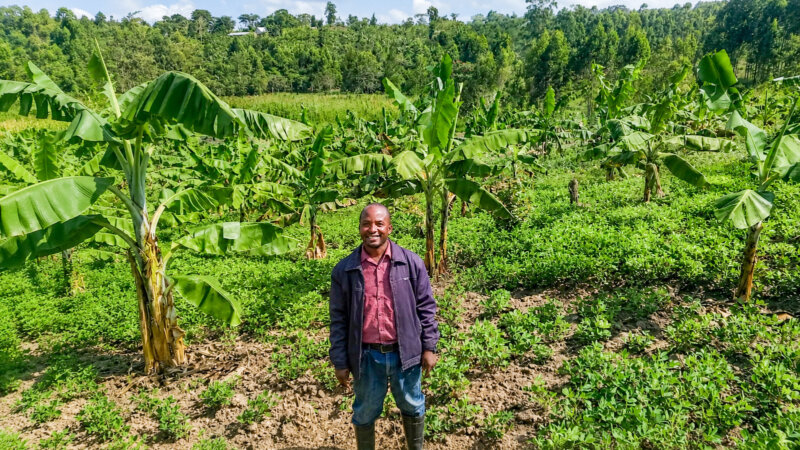
Grows in Rows focuses on applying True Cost Accounting to Nigeria’s avocado value chain. They have completed field data collection across 150 smallholder avocado farmers in Southern Kaduna, Nigeria, and are finalising validation of the preliminary results in collaboration with True Price. Initial findings suggest that in this low-input, diversified farming system, the true price gap is primarily income-driven (often associated with low productivity) rather than environmentally driven. The true price gap is the difference between the market price and the ‘full’ price once social and environmental costs are included. This finding prompts us to consider whether increasing farmer income through measures to increase productivity could increase environmental costs. The next phase focuses on validating these insights with farmers and refining interpretation to better understand how TCA can serve as a diagnostic tool in smallholder-dominated value chains.
Maas International aims to gain insight into the true social and environmental costs embedded in two coffee value chains. They will compare the true price gap of their ‘Puro Vida’ and ‘Puro Fairtrade Bio’ coffee. They are currently collecting data among their coffee cooperatives with local partners in Honduras and Peru and are expecting their first results mid-April. Following this, they will work with Wageningen University on how best to communicate the project results in a way that is understandable to the consumer and will inform their product choices, while also exploring ways to reduce the true price gap.
SUST'NREAL focuses on applying true price analysis to cocoa production by comparing the social and environmental costs associated with three different cocoa farming systems. The project generates insights into how production methods influence environmental and social impacts and to identify pathways for more sustainable cocoa and chocolate value chains. After an initial scoping phase and methodological adjustments to adapt the true price methodology to the Brazilian context, data collection among cocoa producers is underway. With the results, the project provides evidence on the social and environmental costs and benefits of the compared farming systems, and can inform decisions in policy and practice to make cocoa value chains more just and sustainable. Workshops and knowledge exchange activities are also planned to transfer expertise on true pricing methodologies to Brazilian stakeholders, strengthening local capacity to conduct future assessments.
Each project has its own unique take: Kumasi focuses on valorising side streams that would otherwise go to waste, Grows in Rows reveals how social and environmental impacts influence each other, Maas looks specifically towards consumer communication, and SUST'NREAL compares different farming systems.
But a shared pattern also emerges:
-
Methods are being adapted to local contexts
-
Evidence is being built from the ground up, with farmers and cooperatives central to data collection and validation
-
All projects are exploring the “so what?”: How can results inform choices in policy, practice, and communication
We’ll continue to share as the projects progress and how they work with true pricing to create more just and sustainable food systems.
Authors

Ninja Lacey
Partnership Builder

Lisette van Benthum
Partnership Builder